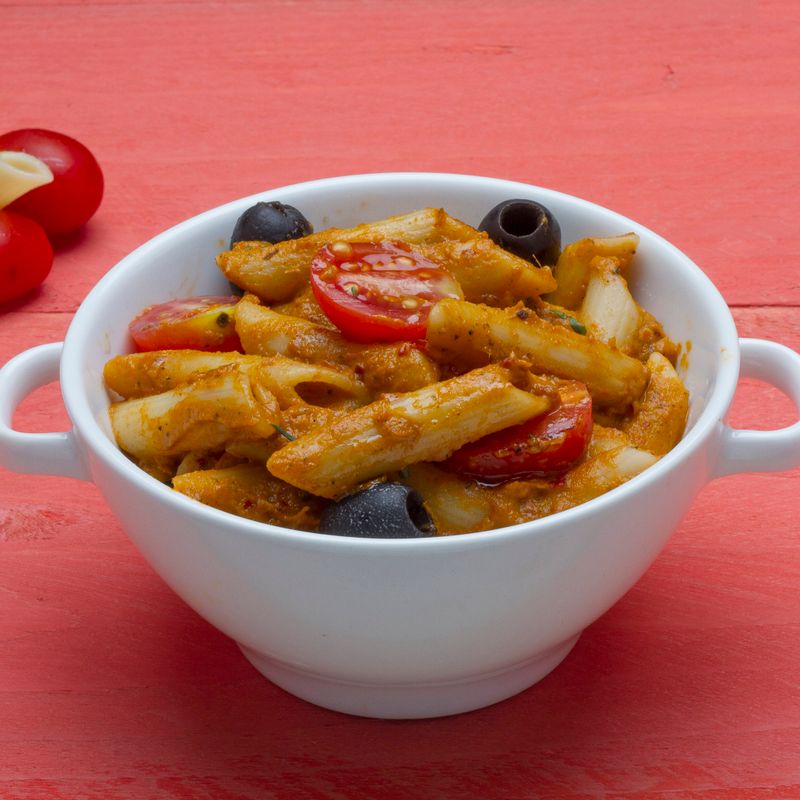
Slow Cooker Duck Confit and Cherry Pasta Salad
Silky duck confit slow-cooked low and long until the meat falls from the bone, then shredded and tossed with orzo pasta, tart fresh cherries, shallots, and fresh thyme in a red wine vinegar dressing. This elegant pasta salad balances rich, savory duck with bright acidity and summer fruit—perfect for a composed dinner or elegant picnic.
- Prep
- 20 min
- Cook
- 1 hr 30 min
- Wait
- 4 hr
- Total
- 5 hr 50 min
- Makes
- 4 servings (about 2 cups each)
Steps
Before you start
- Pat duck legs dry with paper towels—this helps render the skin. Have a 5- or 6-quart slow cooker ready. Measure all herbs and seasonings before starting.
- Pit the fresh cherries about 30 minutes before assembling the salad so their juice mingles with the dressing.
- Chill the finished pasta salad for at least 1 hour before serving to let flavors meld.
Prepare the slow cooker
- Arrange duck legs skin-side up in a 9-inch (23 cm) square baking dish (or other vessel that fits snugly in your slow cooker) in a single layer.
- Season evenly with kosher salt and freshly ground black pepper on both sides.
+ Show details− Hide details
Tip: Don't skip salting the duck ahead—it seasons the meat deeply.
Layer the aromatics
- Pour the duck fat over the legs.
- Scatter thyme sprigs, smashed garlic cloves, and the bay leaf over and around the duck legs.
Slow-cook the duck
- Cover the slow cooker and cook on low for 4 hours.
- The duck is done when the meat is fall-apart tender and pulls easily from the bone with a fork.
- The fat should be clear and the skin will be soft (not crispy, since we're poaching in fat).
+ Show details− Hide details
Ready when: Meat pulls easily from bone; no pink at joints
Tip: Resist peeking—each lift of the lid adds 15–20 minutes of cooking time.
Shred the duck
- Remove the baking dish from the slow cooker and let cool for 10 minutes.
- Discard the thyme sprigs, bay leaf, and garlic.
- Using two forks, pull the duck meat off the bones into bite-sized shreds, discarding the bones and excess skin.
- You should have about 2½ to 3 cups (500–600 g) of shredded meat.
- Strain 2 tablespoons (30 ml) of the cooking fat into a small bowl and set aside; discard the rest or save for another use.
+ Show details− Hide details
Ready when: Meat pulls apart cleanly
Tip: Use the reserved fat to warm the duck meat just before serving if the salad sits in the fridge.
Cook the pasta
- Bring a large pot of salted water (4–5 quarts / 4–5 L) to a rolling boil.
- Add orzo and cook until just al dente, about 9–10 minutes.
- Drain in a colander and rinse with cool water until no longer steaming.
- Spread on a plate to cool completely (about 15 minutes).
+ Show details− Hide details
Ready when: Pasta is tender but still holds its shape when bitten
Tip: Don't overcook; al dente orzo won't turn to mush when tossed with the vinaigrette.
Make the dressing
- In a small bowl, whisk together red wine vinegar, minced shallot, and Dijon mustard.
- Let sit for 1 minute.
- Slowly whisk in olive oil in a thin stream to create an emulsion.
- Season to taste with kosher salt and freshly ground black pepper.
+ Show details− Hide details
Ready when: Dressing is emulsified and glossy
Tip: Whisk the vinegar and mustard first so the acid helps emulsify the oil.
Assemble the salad
- Transfer the cooled orzo to a large bowl (3-quart / 3 L minimum).
- Add the shredded duck, halved cherries, sliced shallots, and fresh thyme leaves.
- Pour the dressing over and gently toss to combine, making sure the pasta, duck, and fruit are evenly coated.
- Taste and adjust seasoning as needed.
+ Show details− Hide details
Ready when: All ingredients are evenly distributed and coated
Tip: Toss gently so the cherries don't break apart and the duck stays in distinct shreds.
Chill and serve
- Cover the bowl and refrigerate for at least 1 hour (or up to 4 hours).
- The flavors deepen as it sits.
- Before serving, stir gently and adjust seasoning.
- If the salad seems dry, drizzle with an extra tablespoon of olive oil.
- Serve on a bed of fresh arugula if desired, and garnish with torn mint leaves.
+ Show details− Hide details
Ready when: Salad is cold and flavors are balanced
Tip: If you make this ahead, keep the duck and pasta separate from the dressing, then toss 30 minutes before serving to keep the pasta from absorbing too much liquid.
Good to know
Tips
- Duck legs are typically sold frozen. Allow 24 hours to thaw in the refrigerator before cooking for the safest results.
- If you don't have fresh duck fat on hand, look for it at specialty butchers, gourmet grocers, or online. It's worth sourcing—it's what makes true confit luxurious. Store extra duck fat in the fridge for up to 3 months or frozen for longer.
- The slow cooker method is gentler than traditional oven confit (which goes at 200°F / 93°C for 8+ hours) but yields the same tender, silky result in less time.
- For a lighter lunch version, serve the salad over fresh arugula or mixed greens instead of on a plate alone, which adds structure and bulk without heaviness.
Make ahead
You can cook the duck confit up to 2 days ahead and refrigerate it in its fat. Reheat gently in the slow cooker on low for 30 minutes before shredding. The pasta and dressing can also be made ahead, but assemble the salad within 4 hours of serving for the best texture; if holding longer, keep the duck and pasta separate from the vinaigrette and combine just before serving.
Storage & reheating
Store the finished salad in an airtight container in the refrigerator for up to 3 days. The flavors actually improve slightly the next day. It does not freeze well due to the pasta texture. To serve cold salad that's been refrigerated, bring to room temperature for 10–15 minutes or drizzle with a tablespoon of olive oil to revive the dressing.
Substitutions
- fresh sweet cherries → dried tart cherries (¾ cup / 90 g), plumped in warm water for 5 minutes. Use if fresh cherries are out of season. Drain well before tossing into the salad. They add concentrated cherry flavor but are chewier.
- duck fat → butter (1½ cups / 340 g / 3 sticks) or a mix of butter and neutral oil. Butter works but produces slightly less silky confit and a different flavor profile. Use unsalted butter to control the salt level.
- orzo → farro, barley, or small shell pasta (farfalle). Choose a grain or pasta similar in size for even cooking and texture. Farro adds nuttiness; barley is earthier.
- red wine vinegar → sherry vinegar or aged balsamic vinegar (use ¼ cup / 60 ml total). Sherry vinegar is slightly milder and more complex; balsamic is sweeter and more intense. Adjust to taste.
More pasta salads
See all →

Find more like this
- Meal
- Dinner
- Main ingredient
- Pasta
- Method
- Slow Cooker
- Quick & Easy
- Make Ahead