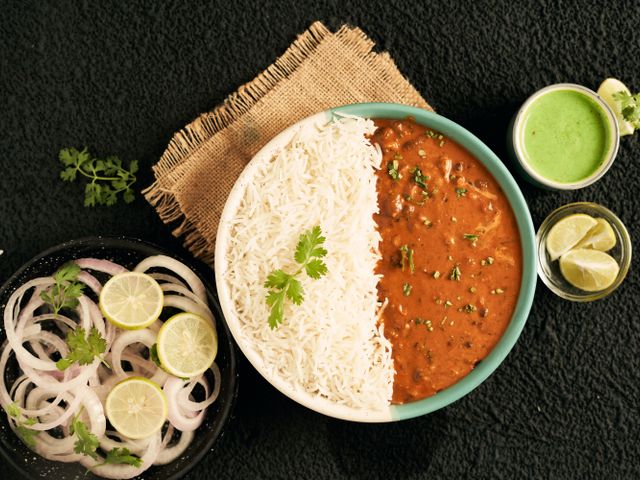
Roasted Preserved Lemon and Crispy Onion Farro
A warm, nutty farro pilaf infused with the bright acidity of preserved lemon and topped with crispy, caramelized onions. This North African-inspired grain side dish balances tangy, savory, and slightly sweet flavors with tender farro and crunchy allium garnish. Serve alongside roasted vegetables, grilled fish, or chicken.
- Prep
- 15 min
- Cook
- 35 min
- Wait
- 10 min
- Total
- 1 hr
- Makes
- 4 servings (about 3/4 cup each)
Steps
Before you start
- Have your preserved lemon ready and rinse it briefly if very salty
- Measure your farro and broth so both are room temperature
- Toast the farro in a dry pan first to develop its nutty flavor
Toast the farro
- Heat the large heavy-bottomed skillet over medium heat.
- Add the farro and stir constantly for 4-5 minutes until it turns golden-brown and becomes fragrant, like toasted nuts.
- This toasting step develops the farro's nutty flavor and prevents it from becoming mushy.
- Be careful not to burn it—the grains should smell warm and pleasant, not acrid.
+ Show details− Hide details
Ready when: Farro is fragrant and golden-brown, not burned
Tip: Keep stirring to ensure even toasting and prevent scorching. If your pan has hot spots, adjust the heat or move the pan on and off the heat.
Prepare crispy onions
- While the farro toasts, heat 2 tablespoons of olive oil in the small skillet over medium heat.
- Add the thinly sliced yellow onions and cook, stirring occasionally, for 12-14 minutes until deeply caramelized and crispy at the edges.
- The onions should be mahogany-brown and fragrant.
- Set aside on a plate lined with paper towels; they will crisp further as they cool.
+ Show details− Hide details
Ready when: Onions are deep mahogany-brown and crispy, not burned
Tip: Do not rush this step—low and slow caramelization creates natural sweetness and crispness. If they brown too fast, lower the heat.
Bloom aromatics
- Once the farro is toasted, push it to the side of the skillet.
- Add the remaining 2 tablespoons of olive oil to the empty side.
- Add the minced shallot and garlic, stirring together for about 1 minute until fragrant and just beginning to soften.
- Pour in the ground cumin (and cinnamon if using) and stir for 30 seconds until the spices bloom and release their aroma.
+ Show details− Hide details
Ready when: Shallot is soft and aromatics are fragrant
Tip: Do not let the garlic brown—if it does, it will taste bitter. Keep heat at medium and stir constantly.
Add broth and preserved lemon
- Stir the toasted farro into the aromatics, coating it in the spiced oil (about 1 minute).
- Pour in the vegetable broth and bring to a simmer.
- Add the diced preserved lemon rind, season with a pinch of salt and black pepper, and stir well.
- The liquid should come about ¾ inch above the grain.
+ Show details− Hide details
Ready when: Mixture is simmering gently with small bubbles breaking the surface
Tip: Taste a piece of the preserved lemon rind first—if it is very salty, rinse it under cold water before dicing. You can always add more, but you cannot remove saltiness.
Simmer covered
- Reduce the heat to medium-low, cover the skillet with a tight-fitting lid, and simmer gently for 25-28 minutes.
- The farro will absorb the broth and become tender.
- Do not stir during cooking—this allows the grain to cook evenly.
- After 25 minutes, check one grain: it should be creamy inside with just a slight bite (farro does not become completely tender like rice, and that is intentional).
+ Show details− Hide details
Ready when: Farro grains are creamy and tender with a slight chew, liquid is absorbed
Tip: If the farro seems too dry but not yet tender, add a splash of broth or water and continue cooking. If liquid remains when the farro is tender, remove the lid and let it evaporate over medium heat for 1-2 minutes.
Rest and finish
- Remove the skillet from heat and let it rest, covered, for 5 minutes.
- This allows the farro to relax and any remaining moisture to distribute.
- Remove the lid, fluff the farro with a fork, and taste for seasoning.
- Add a pinch more salt or preserved lemon if needed—the dish should taste bright and tangy but not one-dimensional.
+ Show details− Hide details
Ready when: Farro is fluffy and grains separate easily with a fork
Tip: Tasting and adjusting now makes the difference between good and excellent—do not skip this step.
Assemble and serve
- Transfer the farro to a serving bowl or platter.
- Top with the crispy caramelized onions, breaking them into bite-sized pieces.
- Scatter the fresh cilantro and toasted almonds over the top if using.
- Drizzle with a small amount of extra-virgin olive oil and finish with a crack of fresh black pepper.
- Serve warm or at room temperature.
+ Show details− Hide details
Tip: Add the crispy onions just before serving so they stay crispy and don't absorb moisture from the warm farro.
Good to know
Tips
- Preserved lemon is salty by nature—always taste before adding extra salt to the dish. Start with less salt in the broth and adjust at the end.
- Toasting the farro before cooking is not optional; it prevents the grain from becoming gluey and adds essential nutty flavor and texture contrast.
- The preserved lemon rind should be very finely diced so it distributes throughout the farro and does not clump. The flesh can be discarded or stirred into a yogurt sauce.
- This pilaf pairs beautifully with roasted vegetables (cauliflower, beets, carrots), grilled fish, or herb-braised chicken. It also works well in grain bowls topped with roasted chickpeas and tahini drizzle.
Make ahead
Prepare the crispy onions up to 2 hours ahead and store in an airtight container at room temperature. Cook the farro up to 4 hours ahead and reheat gently in the skillet over low heat with a splash of broth, stirring occasionally, until warmed through (about 5 minutes). Toast the almonds and chop the cilantro just before serving.
Storage & reheating
Room temperature: up to 2 hours. Refrigerator: store in an airtight container for up to 3 days. To reheat, place in a skillet with a splash of broth or water over medium-low heat, stirring occasionally, until warmed through (about 5 minutes). Do not store with crispy onions—add them fresh just before serving to maintain crispness. Freezer: not recommended for this dish, as farro becomes mushy when frozen.
Substitutions
- vegetable broth → chicken or seafood broth. Use chicken broth for a richer flavor if pairing with poultry or meat, or seafood broth if serving alongside fish.
- preserved lemon → zest and juice of 1 lemon plus a pinch of salt. This provides acidity and brightness but lacks the mellow, fermented complexity of preserved lemon. Use half the zest and 2 tablespoons lemon juice.
- pearled farro, uncooked → spelt berries or freekeh. Both have similar chewy texture and nutty flavor. Spelt berries need 35-40 minutes of simmering; freekeh needs about 20 minutes.
- yellow onions → red onions. Red onions will be sweeter and turn deep purple when caramelized, adding visual interest. Cooking time remains the same.