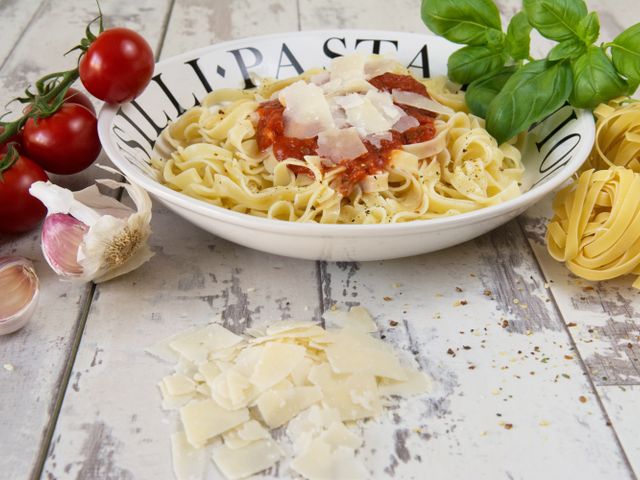
Party Elegant White Anchovy and Garlic Confit Sauce
A refined stovetop sauce celebrating delicate white anchovies and sweet roasted garlic confit. The anchovies dissolve into a silky, umami-rich emulsion with olive oil and garlic, brightened by fresh lemon and parsley. Elegant enough for entertaining, simple enough for weeknight pasta.
- Prep
- 10 min
- Cook
- 12 min
- Total
- 22 min
- Makes
- About 1 cup sauce (serves 4 over 1 lb pasta)
Steps
Before you start
- Have garlic confit (store-bought or homemade) chilled and ready to use
- Zest and juice the lemon before you start cooking
- Bring a large pot of salted water to boil for pasta if serving immediately
Warm the oil
- In a 12-inch (30 cm) skillet over medium-low heat, combine the garlic confit oil and extra-virgin olive oil.
- Warm gently for 1–2 minutes until fragrant.
- Do not let it smoke.
+ Show details− Hide details
Ready when: Oil is warm and fragrant, small wisps of steam just beginning to rise
Tip: Starting at medium-low prevents the oil from breaking and keeps the sauce silky rather than greasy.
Add anchovies
- Add the drained white anchovies to the warm oil.
- Using a wooden spoon, gently break them apart and stir slowly for 2–3 minutes.
- The anchovies will gradually soften and dissolve into the oil, creating a smooth, creamy base.
- Do not rush or use high heat.
+ Show details− Hide details
Ready when: Anchovies are fully softened and no large pieces remain; the oil looks creamy and pale
Tip: Low heat and slow stirring keep the sauce smooth and prevent the anchovies from browning or curdling the emulsion.
Add garlic confit
- Stir in the garlic confit cloves and gently crush them against the side of the pan with the back of your spoon.
- The garlic will break down slightly and release its sweet, mellow flavor throughout the oil.
- Stir continuously for 2 minutes.
+ Show details− Hide details
Ready when: Garlic cloves are soft and partially broken down; the sauce is fragrant and smooth
Tip: Do not blend or crush the garlic too aggressively; you want some soft pieces visible for texture and elegance.
Add lemon juice and zest
- Remove the pan from heat.
- Stir in the lemon juice and zest.
- The heat from the sauce will warm the fresh lemon, releasing its brightness while keeping the oils and anchovies silky.
+ Show details− Hide details
Ready when: Lemon juice is fully incorporated and zest is evenly distributed
Tip: Adding lemon off heat preserves its fresh flavor and prevents bitterness from extended cooking.
Season and finish
- Taste the sauce and season gently with sea salt and freshly ground black pepper.
- Add a pinch of red pepper flakes if desired for subtle heat.
- Stir in the fresh parsley.
- The sauce should taste balanced—briny from the anchovies, sweet from the garlic, bright from the lemon, and herbaceous from the parsley.
+ Show details− Hide details
Ready when: Sauce is well-seasoned, fragrant, and visually studded with fresh parsley
Tip: Taste before adding salt; white anchovies and confit oil are both salty, so you may need very little added salt.
Serve over pasta
- Transfer the sauce to a warm serving bowl.
- Toss with 1 pound (450 g) of hot, drained pasta and a splash of pasta cooking water (2–3 tablespoons / 30–45 ml) to loosen the sauce.
- The starch from the pasta water will help the sauce coat each strand.
- Serve immediately on warm plates.
+ Show details− Hide details
Ready when: Pasta is silky and evenly coated with sauce; no pools of oil at the bottom of the pan
Tip: Reserve pasta water before draining; this starch is essential for tossing the sauce smoothly with the pasta.
Good to know
Tips
- This sauce pairs beautifully with delicate, long pasta shapes like spaghetti, linguine, or bucatini. Avoid heavy shells or tubes that would obscure the subtle flavors.
- For a lighter version, reduce the olive oil to 2 tablespoons (30 ml) and increase the garlic confit oil to 0.75 cup (180 ml).
- If making garlic confit at home, do so 1–2 days ahead. Slow-roast 1 cup (200 g) of peeled garlic cloves in 1.5 cups (360 ml) olive oil in a 275°F (135°C) oven for 45–60 minutes until very soft and golden.
- A single anchovy fillet, thinly sliced and draped on top of each plated pasta, makes an elegant garnish and signals the sauce's main ingredient to diners.
Make ahead
Prepare the anchovies, garlic confit, lemon zest, and parsley up to 6 hours ahead and store separately in airtight containers in the refrigerator. Make the sauce itself no more than 15 minutes before serving so the lemon stays bright and the parsley is at its greenest. The sauce cannot be reheated successfully.
Storage & reheating
This sauce is best served fresh and does not store well. Any leftovers can be refrigerated in an airtight container for up to 1 day, but the parsley will darken and the oil may separate. Do not freeze. Reheat very gently over low heat with a splash of fresh lemon juice and fresh parsley stirred in just before serving.
Substitutions
- white anchovies in oil, drained → oil-packed Spanish or Italian white anchovies (boquerones). White anchovies are milder and more delicate than regular salt-cured anchovies. If using salt-cured anchovies, rinse and soak them first, then use only 2 oz (55 g) as they're stronger.
- garlic confit (see note), with oil → 3–4 cloves of roasted garlic (from a jar or homemade) mixed with 2 tbsp (30 ml) olive oil. Store-bought roasted garlic works in a pinch, though homemade garlic confit has a deeper, sweeter flavor. If using cloves from a jar, warm them gently in the oil to fully bloom their sweetness.
- fresh flat-leaf parsley, finely chopped → fresh dill, chives, or a mix of both. Dill brings a fresh, slightly herbaceous note that pairs beautifully with anchovy. Chives add mild onion notes. Use the same quantity.
- lemon → zest of 1 Meyer lemon, or a mix of regular lemon zest with a tiny pinch of orange zest. Meyer lemons are sweeter and less acidic than regular lemons, giving a more delicate finish. Orange zest adds subtle sweetness and floral notes without overpowering the fish.