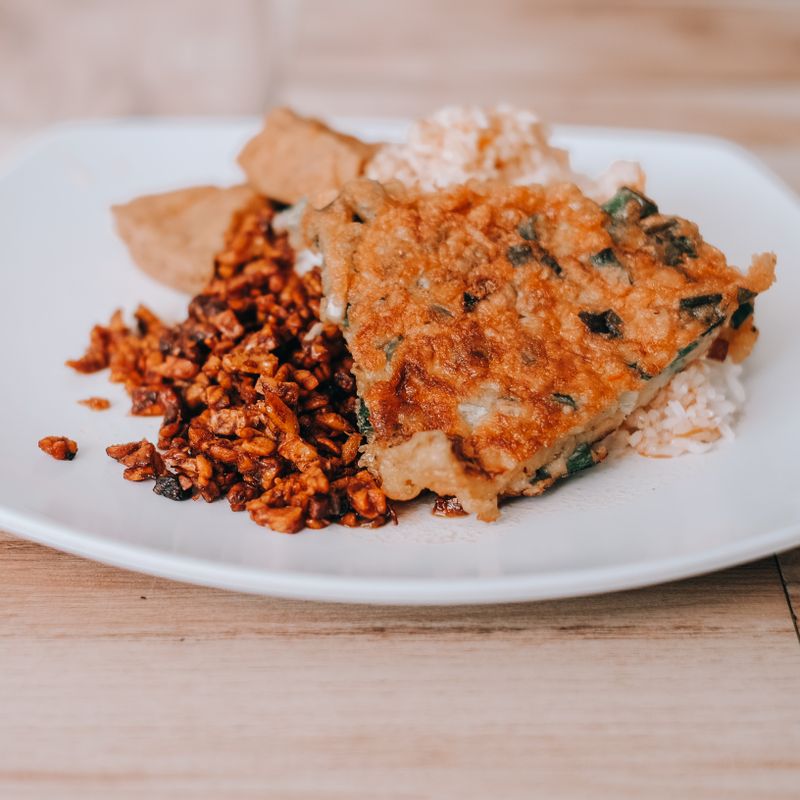
Pan-Roasted Annatto and Crispy Garlic Scapes White Rice
A fragrant Latin American–inspired rice dish where annatto seeds bloom in hot oil, infusing the rice with their earthy, slightly peppery warmth, while garlicky scapes crisp up until they're tender and golden. The toasted rice grains absorb the annatto-oil and broth, becoming savory and deeply flavored. Simple, vibrant, and a perfect side for any Latin meal.
- Prep
- 10 min
- Cook
- 25 min
- Wait
- 10 min
- Total
- 45 min
- Makes
- 4 servings (about 3 cups)
Steps
Before you start
- Measure out your broth and have it warm or at room temperature
- Rinse the rice under cold water until the water runs clear, then drain well
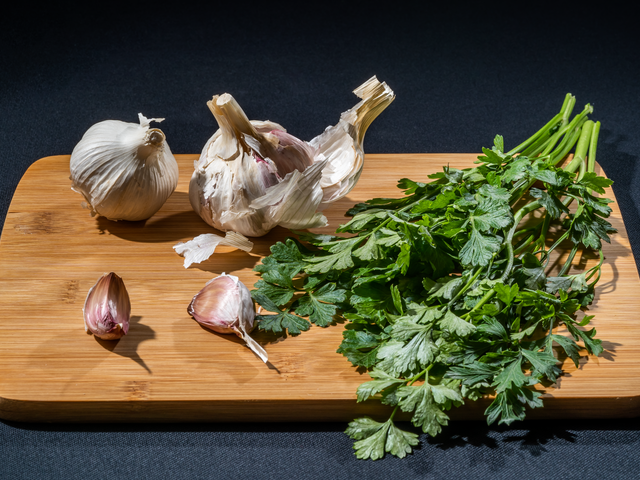
- Cut the garlic scapes into 2-inch lengths and set aside
- Have all ingredients prepped and within reach before you start cooking
Bloom the annatto
- Heat the oil in a medium saucepan (3-quart) over medium-high heat until shimmering, about 1 minute.
- Add the annatto seeds and stir constantly for 1–2 minutes.
- The seeds will infuse the oil with a deep orange-red color and release a warm, slightly peppery aroma.
- Watch carefully so they don't burn.
+ Show details− Hide details
Ready when: Oil is deep orange-red and fragrant; seeds are darker but not burnt
Tip: Don't let the annatto seeds burn or the rice will taste bitter. Keep the heat moderate and stir constantly.
Toast the rice
- Add the rinsed and drained rice to the pan with the annatto oil.
- Stir constantly for 2–3 minutes, coating each grain evenly.
- The rice will turn translucent at the edges and smell nutty.
+ Show details− Hide details
Ready when: Rice grains are lightly coated and smell toasted; edges begin to turn translucent
Tip: Constant stirring prevents clumping and ensures the rice toasts evenly. This step develops flavor and helps grains stay separate.
Add broth and garlic scapes
- Pour the broth carefully into the pan—it will steam!
- Add the garlic scapes and stir to combine.
- Taste the liquid and add salt to taste (the broth should taste pleasantly seasoned but not over-salted, as the rice will absorb it).
+ Show details− Hide details
Ready when: Liquid is mixed with rice and scapes; broth is seasoned to taste
Tip: Add salt cautiously—you can always add more, but you can't remove it. Taste as you season.
Bring to a boil
- Increase heat to high and bring the liquid to a rolling boil, stirring occasionally, about 2–3 minutes.
- You should hear it bubbling actively.
+ Show details− Hide details
Ready when: Liquid is at a rolling boil
Cover and simmer
- Reduce heat to low and cover the pan with a tight-fitting lid.
- Simmer undisturbed for 18–20 minutes, until the rice is tender and the liquid is completely absorbed.
- Resist the urge to lift the lid—steam is essential for even cooking.
+ Show details− Hide details
Ready when: All liquid is absorbed; rice is tender and grains are separate; no sound of simmering
Tip: Don't lift the lid while simmering—each time you do, heat and steam escape, extending cooking time. If the rice seems dry before 18 minutes, add 2–3 tablespoons of broth, cover again, and continue.
Rest and fluff
- Remove from heat and let the pan sit undisturbed, covered, for 5–10 minutes.
- This allows the rice to fully set and any remaining moisture to redistribute.
- Then remove the lid and fluff the rice gently with a fork or wooden spoon, breaking up any clumps and bringing the crispy garlic scapes to the surface.
+ Show details− Hide details
Ready when: Rice is fluffy and grains are fully separated; scapes are tender with crispy edges
Tip: Resting the rice is crucial—it stabilizes the texture and prevents mushiness. Fluff gently to avoid breaking the grains.
Good to know
Tips
- Rinsing the rice removes excess starch and prevents the grains from sticking together, resulting in a fluffier final dish.
- Garlic scapes are at their peak in spring (April–June). If unavailable, substitute scallions or omit for a simpler, still-delicious rice. You can also use tender shoots of wild garlic in season.
- The annatto oil is the star—don't skimp on the blooming step. The deeper the color, the more pronounced the flavor.
- For extra depth, add a small piece of sofrito, a bay leaf, or a pinch of cumin to the broth for variation.
Storage & reheating
Store leftovers in an airtight container in the refrigerator for up to 3 days. Reheat gently in a covered saucepan over low heat with a splash of broth to restore moisture, or microwave in a covered bowl with a damp paper towel. Do not freeze, as the texture of the rice and scapes will suffer.
Substitutions
- fresh garlic scapes → 4 large scallions (white and light green parts), cut into 2-inch lengths. Scallions are milder and will wilt into the rice rather than stay crispy. Add them in the last 5 minutes of cooking for better texture.
- annatto seeds → 1 teaspoon of turmeric or ½ teaspoon of saffron threads (bloomed in 2 tablespoons of warm broth). Both will give color and warmth, but lack annatto's unique flavor. Turmeric is earthier; saffron is more floral and luxurious.
- chicken or vegetable broth → water with 1 teaspoon of salt and a squeeze of lime juice added at the end. Plain water will work, but use a good-quality salt and finish with lime to brighten the flavor.
- neutral oil (vegetable or canola) → lard or bacon fat. For a richer, more savory dish. Use the same amount and bloom the annatto in the fat for deeper flavor.