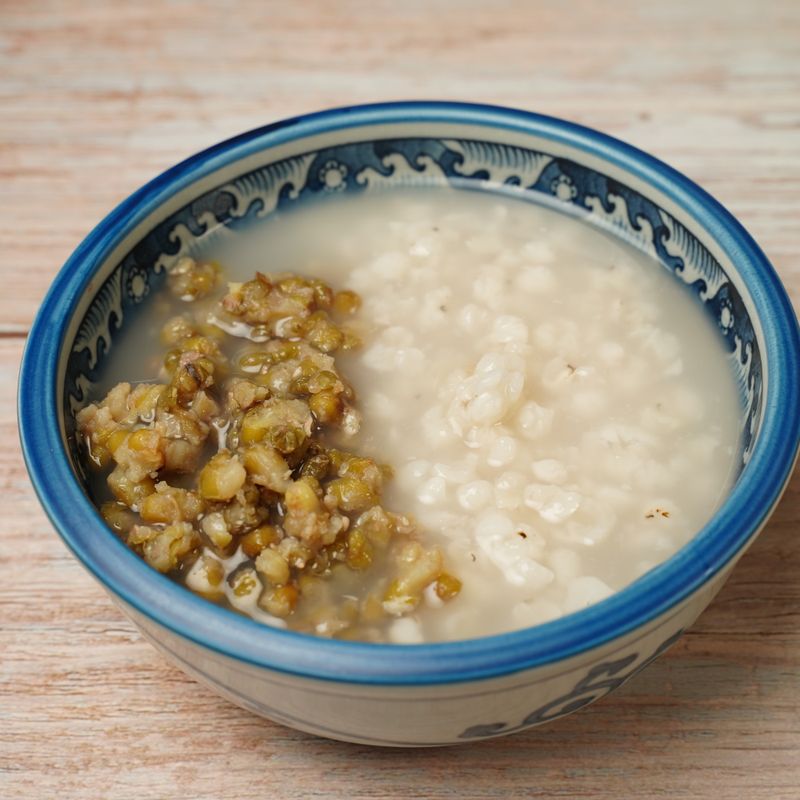
Mung Bean Turmeric Jasmine Rice
A fragrant, golden jasmine rice studded with tender mung beans and warm turmeric, infused with fresh ginger and vegetable broth. This simple yet satisfying side dish brings plant-based protein and earthy spice to any meal, with a mild, approachable flavor that complements both Asian and globally-inspired dishes.
- Prep
- 10 min
- Cook
- 25 min
- Wait
- 10 min
- Total
- 45 min
- Makes
- 4 servings (about 3.5 cups)
Steps
Before you start
- Rinse jasmine rice under cool water until water runs clear
- If using dried mung beans, soak for 30 minutes ahead; if using canned or frozen, drain and set aside
- Measure broth and ginger before you start cooking
Toast rice and spices
- Heat olive oil in a medium saucepan over medium heat for 1 minute.
- Add minced ginger and cook for about 30 seconds, stirring constantly, until fragrant.
- Add rinsed jasmine rice and stir to coat with oil, toasting for 2–3 minutes until the rice is light golden and smells nutty.
- Sprinkle turmeric over the rice and stir well for another 30 seconds to distribute evenly.
- This step builds depth and prevents mushiness.
+ Show details− Hide details
Ready when: Rice is light golden, ginger is fragrant
Tip: Don't skip toasting—it removes excess starch and adds nutty flavor that prevents gluey rice
Add broth and mung beans
- Pour vegetable broth into the pan, stirring to deglaze the bottom and break up any clumps.
- Add drained mung beans and stir gently to distribute.
- Increase heat to medium-high and bring the mixture to a boil, about 2–3 minutes.
- Season lightly with sea salt and black pepper to taste.
+ Show details− Hide details
Ready when: Liquid reaches a full boil
Tip: If using dried soaked mung beans, they'll need the full cooking time; frozen beans cook faster and may soften halfway through
Cover and simmer rice
- Once boiling, reduce heat to low and cover the saucepan with a tight-fitting lid.
- Simmer undisturbed for 18–20 minutes.
- The liquid should be almost completely absorbed and the rice grains tender but still distinct.
- Do not stir or lift the lid during cooking, as this releases steam and can cause uneven cooking.
+ Show details− Hide details
Ready when: Liquid is absorbed, rice is fork-tender and grains are separate
Tip: Keep the lid on—removing it mid-cook disrupts the steaming process and risks undercooked rice
Rest and fluff
- Remove from heat and let the rice rest, covered, for 5–10 minutes.
- This allows residual steam to soften any remaining hard grains.
- Using a fork, gently fluff the rice and mung beans together, being careful not to crush the beans.
- Taste and adjust seasoning with additional salt and pepper as needed.
+ Show details− Hide details
Ready when: Rice grains separate easily with a fork, no firm centers visible
Tip: Fluff with a fork, not a spoon, to keep grains intact; use a gentle hand when stirring in delicate cooked mung beans
Finish and serve
- Transfer rice to a serving bowl or platter.
- Scatter sliced scallions (if using) over the top for a fresh, mild onion note and bright color.
- Serve warm as a side to curries, stir-fries, roasted vegetables, or grilled proteins.
+ Show details− Hide details
Tip: Scallions are optional but add brightness; add them just before serving so they stay fresh
Good to know
Tips
- If your mung beans are still firm after 20 minutes, add a few tablespoons of extra broth, re-cover, and cook for another 3–5 minutes. Dried beans take longer than frozen or canned.
- Turmeric stains, so rinse your saucepan and utensils right after cooking to avoid permanent discoloring.
- For extra depth, toast the turmeric powder in the oil with the ginger for an additional 10 seconds before adding rice; this brings out its warm, slightly bitter notes.
- Leftover rice reheats beautifully in a skillet: add a splash of oil or broth over medium heat and warm through while stirring occasionally. It's also excellent cold in grain salads.
Make ahead
Cooked rice and mung beans can be made up to 3 days ahead. Cool completely, store in an airtight container in the refrigerator. Reheat gently in a saucepan over medium heat with 2–3 tablespoons of broth or water to restore moisture, stirring occasionally until warmed through (about 5 minutes). You can also reheat in the microwave: place in a covered bowl, add 2 tablespoons water, and microwave at 50% power for 2–3 minutes, stirring halfway.
Storage & reheating
Room temperature: not recommended; cooked rice should be refrigerated within 2 hours. Refrigerator: in an airtight container for up to 3 days. Freezer: in a freezer-safe bag or container for up to 2 months. Thaw overnight in the refrigerator and reheat with a splash of broth.
Substitutions
- jasmine rice, uncooked → white basmati rice or medium-grain white rice. Jasmine has a subtle floral sweetness, but basmati works equally well and adds a nutty note. Adjust cooking time only if the grains are significantly different in size.
- mung beans → green lentils (lentilles du Puy) or small chickpeas, canned or cooked. Green lentils hold their shape better than red lentils and offer a similar earthiness. Use the same amount; adjust cooking time if using dried—they may need a few extra minutes.
- vegetable broth, unsalted → chicken or light seafood broth, or water with a pinch of salt. Vegetable broth is neutral and mild; chicken broth adds slight richness. Water works but will be less flavorful—boost with an extra pinch of salt or a bay leaf during cooking.
- fresh ginger → ground ginger (use ¼ teaspoon) or finely minced lemongrass or fresh turmeric. Ground ginger is much more concentrated and sharper; start with ¼ teaspoon and taste. Lemongrass adds citrus brightness; fresh turmeric offers earthier flavor.
More rice bowls
See all →


Find more like this
- Meal
- Dinner
- Main ingredient
- RiceBeans & Lentils
- Method
- Stovetop
- Quick & Easy
- 5 Ingredients or LessEasyBeginner