Kwanzaa Collard Green and Black Lentil Amaranth
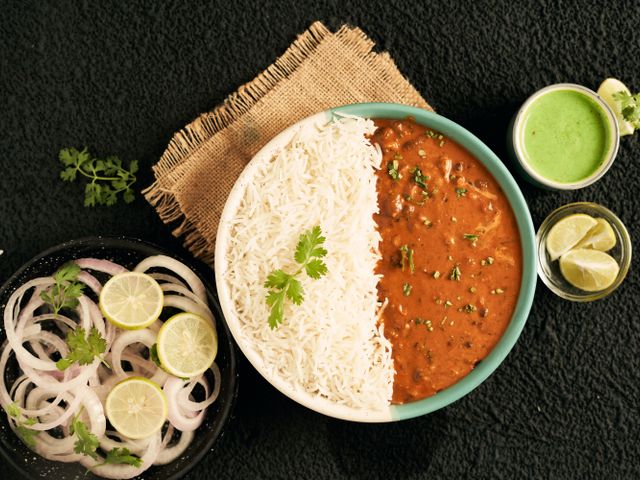
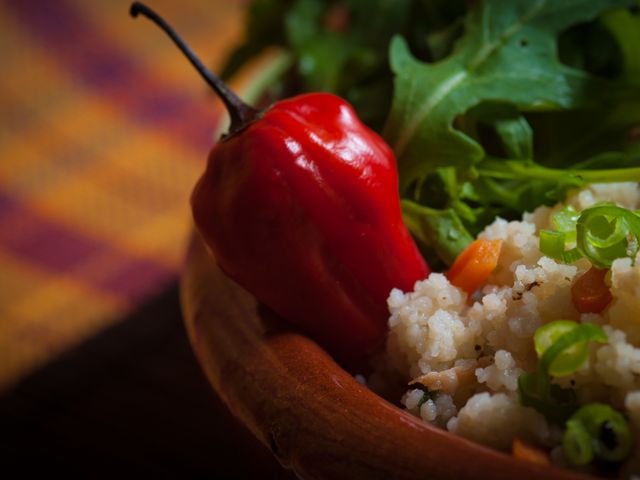
A vibrant, nutrient-rich pilaf celebrating Kwanzaa traditions. Toasted amaranth grains combine with tender black lentils and garlicky collard greens, seasoned with smoked paprika, thyme, and a whisper of cayenne. The result is a deeply savory side dish with complex flavor and a satisfying mix of textures—creamy lentils, tender greens, and the nutty pop of amaranth seeds.
- Prep
- 15 min
- Cook
- 35 min
- Wait
- 10 min
- Total
- 1 hr
- Makes
- 6 servings (about 1 cup each)
Steps
Before you start
- Rinse the black lentils and amaranth seeds under cold water and drain well
- Chop the collard greens into roughly 1-inch pieces and measure out all ingredients before starting
- Use vegetable or chicken stock for best flavor—avoid beef stock, which overpowers the delicate greens
Toast the amaranth
- Heat the olive oil in a large heavy-bottomed pot or Dutch oven over medium-high heat.
- Once shimmering, add the rinsed and drained amaranth.
- Toast, stirring often with a wooden spoon, for 2–3 minutes, until the grains are fragrant and begin to turn a slightly darker golden color.
- The amaranth should smell nutty, not burned.
+ Show details− Hide details
Ready when: Amaranth is fragrant and light golden in color
Tip: Toasting the amaranth deepens its nutty flavor and helps keep each grain separate in the finished pilaf.
Sauté aromatics
- Reduce the heat to medium.
- Add the diced yellow onion to the toasted amaranth and cook for 3–4 minutes, stirring occasionally, until the onion is softened and translucent.
- Add the minced garlic and cook for another 1 minute until fragrant.
+ Show details− Hide details
Ready when: Onion is translucent and garlic is fragrant
Tip: Don't let the garlic brown—it will turn bitter. Stir continuously once the garlic is added.
Add spices and lentils
- Stir in the smoked paprika, dried thyme, cayenne pepper, and red pepper flakes (if using).
- Toast the spices with the aromatics for about 30 seconds, stirring constantly, so they bloom and release their essential oils.
- Then add the rinsed black lentils and stir to coat them with the spiced oil.
+ Show details− Hide details
Ready when: Spices are fragrant and lentils are well coated
Tip: Blooming the spices in hot oil makes their flavors more vibrant and prevents a raw, dusty taste.
Add stock and bay leaves
- Pour in the 3 cups of vegetable or chicken stock and add the 2 bay leaves.
- Stir well to combine.
- Increase the heat to medium-high and bring the liquid to a boil, stirring occasionally.
+ Show details− Hide details
Ready when: Liquid is at a rolling boil
Simmer grain and lentils
- Once boiling, reduce the heat to low and cover the pot with a lid.
- Simmer gently, stirring occasionally to prevent sticking, for 18–20 minutes.
- The amaranth should begin to release a gelatinous texture, the lentils should be almost tender, and most of the liquid should be absorbed but the mixture should still be slightly moist.
+ Show details− Hide details
Ready when: Amaranth and lentils are tender and most liquid is absorbed but mixture is still moist
Tip: Stir every 5 minutes or so to ensure even cooking and prevent the bottom from scorching. If the mixture seems too dry, add a splash of water.
Add collard greens
- Remove the lid and stir in the chopped collard greens.
- The pot will be full, but the greens will wilt quickly.
- Cover the pot again and cook for 5–7 minutes on low heat, stirring once halfway through, until the collard greens are very tender and have darkened in color.
+ Show details− Hide details
Ready when: Collard greens are completely tender and dark green
Tip: Collard greens release liquid as they cook, which helps keep the pilaf moist. If the mixture seems dry, add a few tablespoons of stock or water.
Season and rest
- Remove from heat and discard the bay leaves.
- Taste the pilaf and season with sea salt and freshly ground black pepper to your preference.
- Stir gently to combine all ingredients.
- Cover and let rest for 10 minutes so the flavors meld and any remaining liquid is absorbed.
+ Show details− Hide details
Ready when: All ingredients are evenly combined and flavors are balanced
Tip: Taste before serving—the smoked paprika and cayenne should be noticeable but not overwhelming. Add more salt if needed.
Serve
- Fluff the pilaf lightly with a fork and transfer to a serving dish.
- Serve warm, spooned into bowls or plated alongside your Kwanzaa feast.
+ Show details− Hide details
Tip: This pilaf is hearty enough to serve as a main dish, or pair it with roasted vegetables and cornbread for a complete meal.
Good to know
Tips
- This pilaf honors the Kwanzaa principle of Ujama (cooperative economics) by celebrating whole grains and legumes that sustain communities across the African diaspora.
- For a creamier pilaf, use a slightly higher ratio of stock to grains (3.5 cups instead of 3), and allow the pilaf to simmer a minute or two longer.
- Leftovers are wonderful served at room temperature or cold, making this an ideal make-ahead dish for holiday entertaining.
- Toast your own spices from whole seeds (paprika pods, thyme branches) for maximum flavor depth, especially if celebrating Kwanzaa's emphasis on authentic, intentional cooking.
Make ahead
Prepare the pilaf up to 2 days ahead and refrigerate in an airtight container. Reheat gently on the stovetop over low heat with a splash of water or stock, stirring occasionally, until warmed through (about 8 minutes). You can also make it earlier in the day and let it sit at room temperature for 1–2 hours before reheating.
Storage & reheating
Store leftovers in an airtight container in the refrigerator for up to 4 days. The pilaf can be frozen for up to 3 months; thaw overnight in the refrigerator and reheat gently on the stovetop. Do not microwave, as it can dry out the delicate grains.
Substitutions
- amaranth seeds (whole grain) → Farro, millet, or brown rice. Adjust cooking time if using farro (about 30 minutes) or brown rice (about 40 minutes). Millet will take about 20 minutes. The texture and flavor will shift slightly but remain equally satisfying.
- black lentils (beluga lentils) → Green lentils (French lentils) or red lentils. Green lentils hold their shape well; red lentils will become creamier and break down more. Both work beautifully. Reduce cooking time for red lentils by 5 minutes.
- fresh collard greens → Kale, mustard greens, or Swiss chard. Any sturdy cooking green works. Kale and mustard greens have a peppery bite; chard is milder. Cooking time remains the same.
- smoked paprika → Hungarian paprika or sweet paprika plus a pinch of liquid smoke. You will lose some of the smoky depth, but paprika provides the same warm color and slightly sweet undertone.