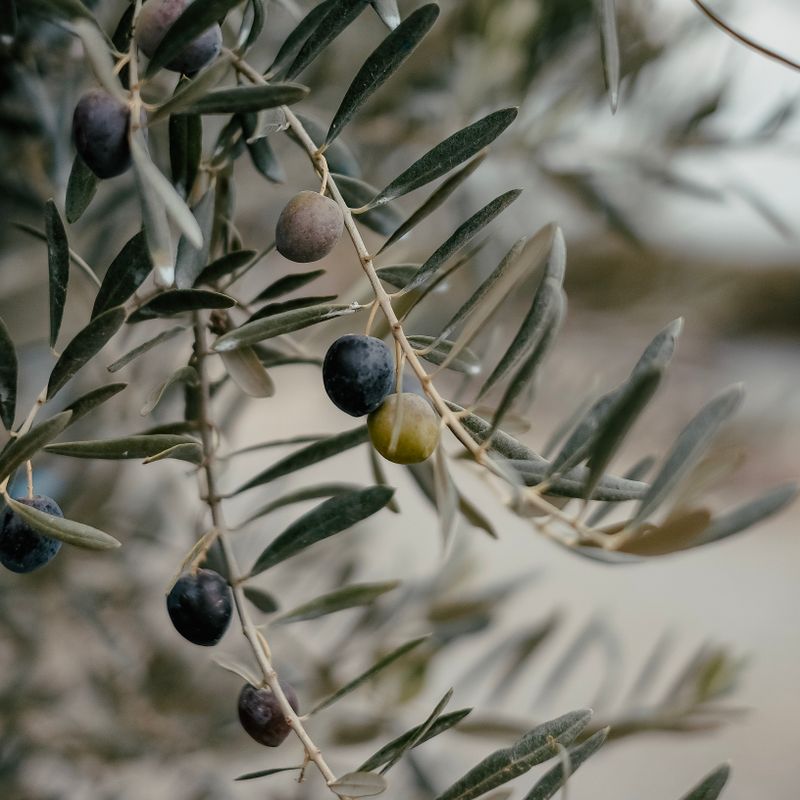
Greek Fava Bean Puree with Crispy Couscous and Black Olives
A vibrant Greek-inspired vegetarian dish featuring a silky fava bean puree topped with a golden, crispy pearl couscous crust and briny black olives. Finished with fresh lemon and herbs, it's elegant enough for entertaining yet simple enough for weeknight dinners.
- Prep
- 15 min
- Cook
- 35 min
- Wait
- 5 min
- Total
- 55 min
- Makes
- 4 servings (about 1½ cups puree per plate with crispy couscous topping)
Steps
Before you start
- Have all ingredients prepped and within arm's reach before cooking
- Use frozen fava beans if fresh are unavailable; no thawing needed
- Toast the couscous in a dry skillet before cooking for deeper flavor
- Preheat your oven to 425°F (220°C)
Toast the couscous
- Heat the small skillet over medium heat.
- Add the pearl couscous and stir constantly for 2–3 minutes until fragrant and lightly golden.
- This toasting deepens the nuttiness and prevents mushiness.
- Transfer to a plate and set aside.
+ Show details− Hide details
Ready when: Couscous smells nutty and has light golden color
Tip: Don't walk away—toasted grains can burn quickly. Stir continuously.
Build the puree base
- Heat 3 tablespoons (45 ml) olive oil in the large skillet over medium heat.
- Add the diced onion and cook for 4 minutes, stirring occasionally, until softened and translucent.
- Add the minced garlic and cook for 1 minute more until fragrant.
- You want the aromatics to be fully softened before the next step.
+ Show details− Hide details
Ready when: Onion is translucent and soft; garlic is fragrant
Tip: Don't let the garlic brown, or it will taste bitter.
Simmer the fava beans
- Add the fava beans and vegetable broth to the skillet.
- Increase heat to medium-high and bring to a gentle simmer.
- Reduce heat to medium-low and simmer uncovered for 10 minutes, stirring occasionally.
- The beans will soften and absorb some of the broth's flavor.
- The liquid should reduce slightly but the mixture should still be quite wet.
+ Show details− Hide details
Ready when: Beans are very tender and mash easily; broth has reduced by about one-third
Tip: Keep the heat gentle so the beans break down into creamy puree, not fall apart into soup.
Puree and season
- Remove the skillet from heat.
- Using an immersion blender, puree the mixture for 1–2 minutes until completely smooth and creamy.
- Alternatively, carefully transfer the mixture to a food processor in batches and blend until smooth, then return to the skillet.
- Stir in the lemon juice and season generously with kosher salt and black pepper to taste.
- The puree should be thick enough to hold a shape but still pourable.
- Add the chopped dill and mint (if using).
+ Show details− Hide details
Ready when: Puree is completely smooth and bright yellow; herbs are evenly distributed
Tip: Taste and adjust lemon juice and salt—these brighten the earthy beans significantly.
Cook the crispy couscous
- In the small skillet, heat 2 tablespoons (30 ml) olive oil and the melted butter together over medium-high heat.
- Once foaming, add the toasted couscous and stir constantly for 2 minutes to coat every grain.
- Pour in the vegetable broth slowly while stirring.
- Once the liquid is absorbed (about 4–5 minutes), continue cooking and stirring for another 3–4 minutes until the couscous begins to crisp and turn golden brown on the bottom of the pan.
- A few grains should stick and caramelize.
+ Show details− Hide details
Ready when: Couscous is tender, golden, and slightly crispy; you smell toasted grain
Tip: Don't stop stirring or the bottom will scorch. The goal is even browning and crispiness throughout.
Warm and plate
- Gently reheat the fava bean puree over low heat for 1–2 minutes if it has cooled, stirring gently.
- Divide the warm puree among four serving plates or bowls, creating a shallow well in the center of each portion.
- Spoon the crispy couscous into the center of each plate, dividing it evenly.
- Scatter the halved black olives around and over the couscous.
- Drizzle any remaining olive oil from the couscous pan around the plate rim.
+ Show details− Hide details
Ready when: Puree is warm throughout; couscous is still crispy
Tip: Plate just before serving so the couscous crust stays crispy and doesn't soften from the warm puree.
Good to know
Tips
- For extra richness, stir 2–3 tablespoons of Greek yogurt or crème fraîche into the puree after blending. This adds creaminess without diluting the flavor.
- If your couscous isn't crisping well, increase the heat to medium-high and keep stirring. Couscous needs direct heat to develop that golden crust.
- Fava beans freeze well; if you have fresh fava beans in season, shell, blanch briefly, cool, and freeze them in portions for use year-round.
- Serve with warm pita bread or crusty grilled bread on the side for scooping up the creamy puree.
Make ahead
The fava bean puree can be made up to 2 days ahead and refrigerated in an airtight container. Reheat gently on the stovetop with a splash of broth or water. The crispy couscous is best made fresh just before serving for maximum crispiness.
Storage & reheating
Store leftover puree in an airtight container in the refrigerator for up to 3 days. Do not freeze the couscous topping, as it will lose its crispy texture when thawed. Reheat the puree gently on the stovetop over low heat, stirring often. If making the crispy couscous topping ahead, store it in an airtight container at room temperature for up to 1 day and rewarm in a dry skillet over medium heat for 2–3 minutes, stirring constantly, to restore crispiness.
Substitutions
- Frozen or fresh fava beans → Cannellini beans or chickpeas. Use canned beans (drained and rinsed) for similar texture. The flavor will be slightly less delicate but still delicious. Reduce simmering time to 5 minutes since canned beans are already cooked.
- Pearl couscous → Fregola or Israeli couscous. Both have similar size and toasting capabilities. Use the same quantities and cooking method; they may take slightly longer to crisp.
- Kalamata or Castelvetrano olives → Green Castelvetrano olives or sun-dried tomatoes. Castelvetrano olives offer a milder, buttery flavor; sun-dried tomatoes add sweetness and tanginess instead of brininess.
- Fresh dill → Fresh parsley or oregano. Parsley is more neutral; oregano adds an earthier, more Mediterranean note. Use the same quantity.
More quinoa & couscous
See all →


Find more like this
- Meal
- Lunch
- Cuisine
- Greek
- Main ingredient
- Fava Beans
- Method
- Stovetop