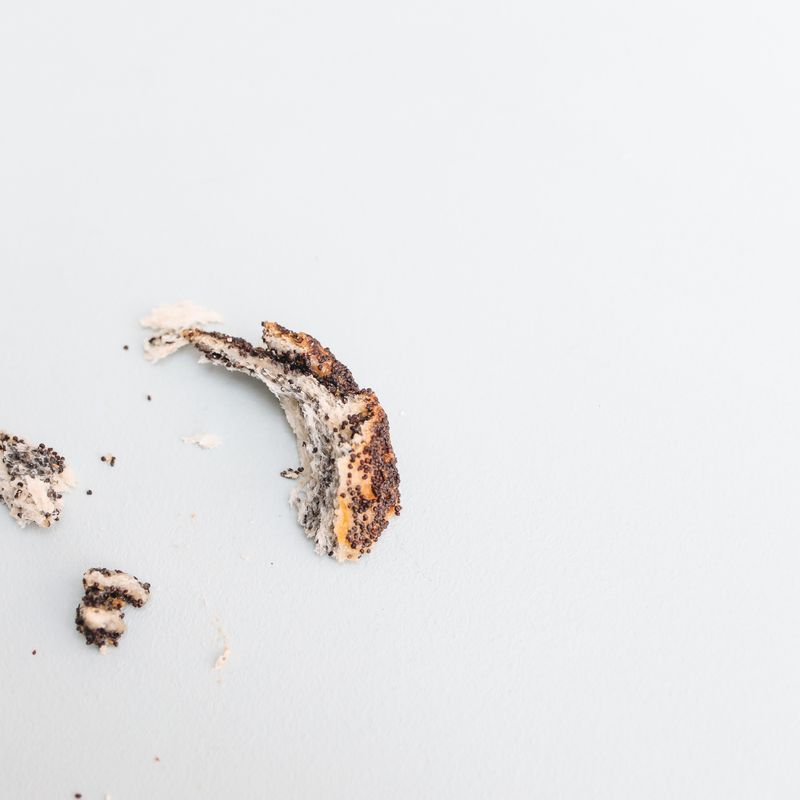
Everyday Sourdough Discard Roasted Onion and Poppy Seed Flatbread
A rustic, flavorful flatbread made with sourdough discard, studded with caramelized roasted onions and topped with poppy seeds. This budget-friendly recipe transforms leftover starter into a tender, slightly tangy bread that's perfect warm from the oven or sliced for snacking. Inspired by Eastern European flavors, it requires no commercial yeast and minimal active time.
- Prep
- 20 min
- Cook
- 45 min
- Wait
- 2 hr
- Total
- 3 hr 5 min
- Makes
- 1 large flatbread (8 slices)
Steps
Before you start
- Have sourdough discard at room temperature (fed 4–8 hours ahead or unfed is fine)
- Preheat oven to 400°F (200°C) 15 minutes before baking
- Line a large baking sheet with parchment paper
Roast the onions
- Heat 2 tablespoons (30 ml) olive oil in a 10–12 inch (25–30 cm) shallow roasting pan or cast-iron skillet over medium heat.
- Add the thin-sliced onions, ½ teaspoon (3 g) salt, and a grind of black pepper.
- Cook, stirring often, for 20–25 minutes.
- The onions should turn golden brown and very tender, releasing their sweetness.
- If they're browning too quickly, reduce heat to medium-low.
- Once caramelized, transfer to a plate and let cool slightly.
+ Show details− Hide details
Ready when: Onions are deep golden brown, very tender, and smell sweet and jammy
Tip: Don't rush the onions—low and slow caramelization develops their natural sweetness without burning. Stir regularly to ensure even browning.
Mix the dough
- In a large bowl, combine 1 cup (240 ml) room-temperature sourdough discard, 2 cups (250 g) all-purpose flour, 1.25 teaspoons (7 g) kosher salt, ½ cup (120 ml) lukewarm water, and 3 tablespoons (45 ml) olive oil.
- Stir with a wooden spoon until a shaggy dough forms.
- Don't overmix—you're just combining ingredients at this stage.
- The dough will be sticky and wetter than sandwich bread dough.
+ Show details− Hide details
Ready when: All flour is hydrated and ingredients are roughly combined
Tip: Using unfed sourdough discard works fine—the small amount of yeast will gently leaven the dough over 2 hours. Fed discard ferments faster, so keep an eye on it.
First rise (bulk fermentation)
- Cover the bowl with a clean cloth or plastic wrap.
- Let the dough rest at room temperature for 1 hour.
- During this time, it should increase in volume by about 50% and feel airy and pillowy.
+ Show details− Hide details
Ready when: Dough is noticeably puffed and airy, jiggles slightly when you shake the bowl
Tip: Ambient temperature matters—in a cold kitchen, this may take 90 minutes; in warmth, it could be 45 minutes. Trust the visual cue, not just the clock.
Stretch and shape
- Turn the dough onto a parchment-lined 9×13 inch (23×33 cm) baking sheet.
- Gently stretch and press it to fit the sheet, working from the center outward.
- Your fingers will sink slightly into the soft dough—that's okay.
- Don't fight it; let gravity help.
- You want an even ½-inch (12 mm) thickness.
+ Show details− Hide details
Ready when: Dough fills the baking sheet evenly and feels soft but structured
Tip: If the dough springs back and resists, let it rest 5 minutes under the cloth, then continue stretching. This is the dough's elasticity working.
Second rise and dimpleOven 400°F / 205°C
- Cover the shaped dough with a cloth and let it rise for 30 minutes at room temperature.
- Meanwhile, preheat your oven to 400°F (200°C).
- After 30 minutes, the dough should be puffy.
- Using your fingertips, gently press all over the surface to create small dimples, working from the edges toward the center.
- This is both for texture and to help distribute toppings.
+ Show details− Hide details
Ready when: Dough is noticeably puffed; dimples remain after pressing and don't immediately fill back in
Tip: If you want extra puff, you can extend this rise to 45 minutes, but watch it—sourdough can over-proof and collapse if left too long.
Add toppings
- Distribute the cooled caramelized onions evenly over the dimpled dough.
- Sprinkle the 2 tablespoons (20 g) of poppy seeds over the onions, pressing them gently so they stick.
- Drizzle 1 tablespoon (15 ml) of olive oil all over the surface.
+ Show details− Hide details
Ready when: Onions and poppy seeds are evenly distributed across the surface
Tip: Cold roasted onions won't deflate the dough. Make sure they're cooled before topping, or you may create steam that over-softens the surface.
Bake until goldenOven 400°F / 205°C
- Place the baking sheet on the middle rack of your preheated 400°F (200°C) oven.
- Bake for 18–22 minutes until the flatbread is golden brown on top and the edges are beginning to pull away slightly from the pan.
- The bottom should be light to medium brown and sound hollow when tapped.
+ Show details− Hide details
Ready when: Top is golden brown with some light char spots; bottom sounds hollow when tapped; flatbread springs back lightly when pressed
Tip: If the top is browning too fast but the bottom isn't set, lower the oven rack and reduce temperature to 375°F (190°C) for the final few minutes.
Rest and finish
- Remove the flatbread from the oven and transfer it to a cutting board or cooling rack.
- While still warm, sprinkle with fleur de sel or sea salt flakes if you like extra salt and texture.
- Let cool for 5–10 minutes before slicing.
- This resting time lets the crumb set so slices don't fall apart.
+ Show details− Hide details
Ready when: Flatbread is warm but not piping hot; you can handle it without burning your hands
Tip: Finish salt goes on while the flatbread is still warm so it sticks and flavors the top layer. Cooling it slightly before slicing keeps the texture tender inside.
Good to know
Tips
- Sourdough discard works best when it's been fed 4–8 hours before (if kept at room temperature) or unfed straight from the fridge. Either way, it provides enough leavening for this recipe without commercial yeast.
- Caramelizing onions slowly on medium heat creates deep, complex sweetness. Rushing them over high heat will burn the exterior before the inside softens.
- This flatbread is forgiving—the soft, wet dough is actually an advantage. It bakes into a tender, slightly pillowy crumb with an open structure. Don't over-flour or you'll toughen it.
- Poppy seeds add an authentic Eastern European touch and a subtle, pleasant mineral note. Toast them lightly in a dry pan beforehand if you want to intensify their flavor.
Make ahead
You can refrigerate the shaped, dimpled dough (before topping) overnight, covered. In the morning, add toppings and let come to room temperature for 30 minutes, then bake. Or freeze the unbaked flatbread after shaping for up to 2 weeks—bake from frozen, adding 5–7 extra minutes.
Storage & reheating
Room temperature: in an airtight container or breadbox for up to 2 days. Refrigerator: wrap well; reheat in a 300°F (150°C) oven for 5–7 minutes to refresh. Freezer: slice and wrap tightly; thaw at room temperature or refresh in the oven from frozen at 350°F (175°C) for 8–10 minutes.
Substitutions
- poppy seeds → sesame seeds, nigella seeds, or a mix. Poppy seeds are traditional in Eastern European baking, but sesame adds a nutty note and nigella (black onion seeds) echoes the savory onion flavor.
- yellow or white onions, large → caramelized shallots or red onions. Shallots add subtle sweetness; red onions stay slightly firm and add color. Use the same weight and cooking time.
- all-purpose flour → bread flour or whole wheat flour (up to 50%). Bread flour makes a chewier crumb; whole wheat adds nuttiness and earthiness. Add an extra tablespoon of water if using whole wheat to account for absorption.
- sourdough discard, unfed or fed → plain yogurt or sour cream (same amount). If you don't have sourdough discard, these add tang and moisture. The flatbread won't be sourdough but will still be excellent. Use at room temperature.
More flatbreads
See all →

Find more like this
- Meal
- Dinner
- Cuisine
- Mediterranean
- Method
- Oven