Eid Al-Fitr Omelet with Figs and Honey
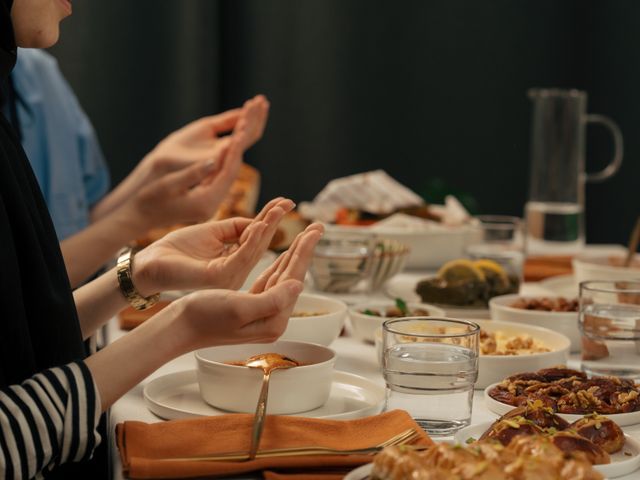
A fluffy, pan-fried omelet filled with creamy ricotta, caramelized figs, toasted almonds, and a drizzle of honey. Perfect for celebrating Eid Al-Fitr or any festive breakfast. The combination of sweet fruit, warming spices, and nutty almonds makes this both elegant and deeply satisfying.
Steps
Before you start
- Eggs should be at room temperature for the fluffiest texture
- Toast almonds in a dry pan for 2–3 minutes if not already toasted
- Have all filling ingredients prepared and within reach before you start cooking
Warm the figs
- Heat 1 tablespoon (14 g) of butter in a small saucepan or skillet over medium heat.
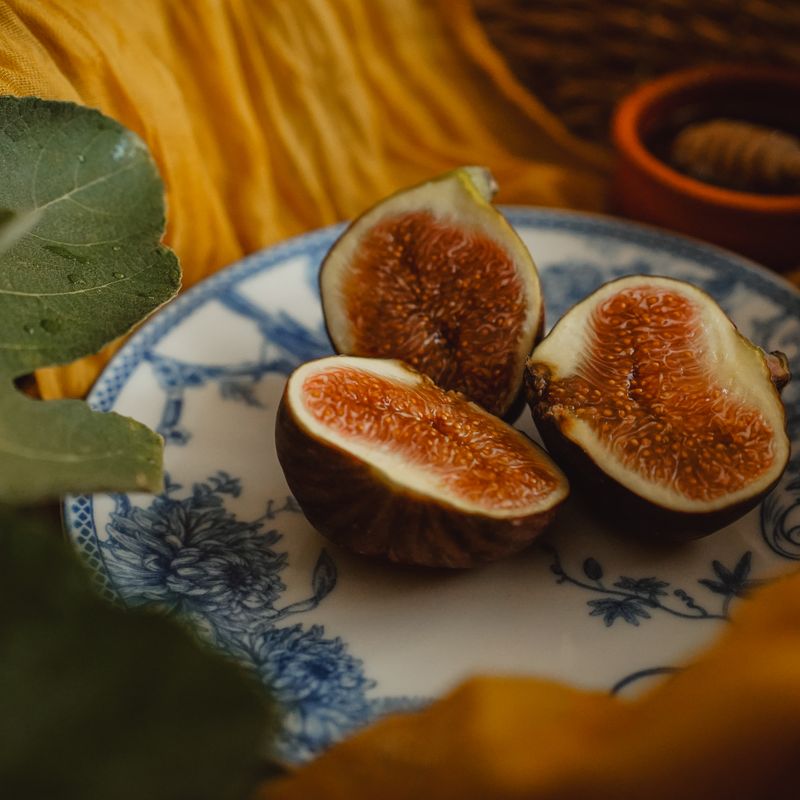
- Add the quartered figs and warm for 1–2 minutes, stirring gently.
- The figs should soften slightly and release their juices.
- Remove from heat and set aside.
+ Show details− Hide details
Ready when: Figs soften and juices begin to release
Tip: Warm figs gently—they bruise easily and can turn mushy if overcooked.
Combine filling ingredients
- In a small bowl, stir together the ricotta cheese, cinnamon, and cardamom (if using).
- Fold in the toasted almonds gently so they stay intact.
- Taste and adjust seasoning if needed.
- Set aside.
+ Show details− Hide details
Tip: Don't overwork the ricotta or it may become grainy.
Whisk the eggs
- Crack the 4 eggs into a bowl.
- Add salt and a pinch of black pepper.
- Whisk vigorously with a fork for about 20–30 seconds until the whites and yolks are fully combined and the mixture is slightly frothy.
- You want it light and airy.
+ Show details− Hide details
Ready when: Mixture is pale, uniform, and slightly frothy
Tip: Vigorous whisking incorporates air, making the omelet fluffier.
Heat the skillet
- Place a 10-inch (25 cm) nonstick skillet over medium heat.
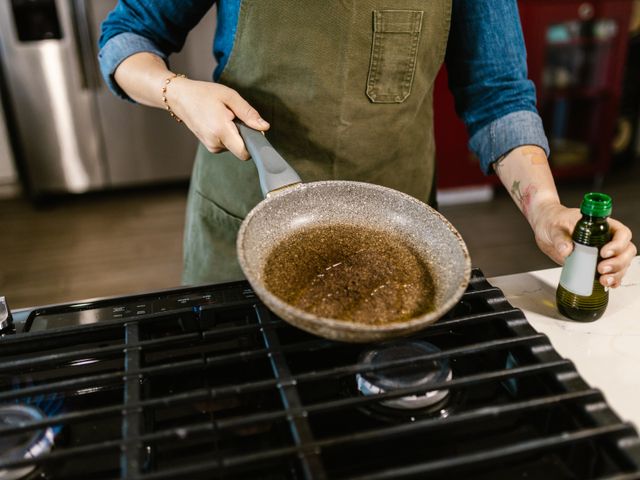
- Add the remaining 1 tablespoon (14 g) of butter and let it melt, tilting the pan to coat evenly.
- Once the foam subsides and the butter is foamy (about 1 minute), it's ready.
+ Show details− Hide details
Ready when: Butter is foamy and smells lightly nutty
Tip: Don't let the butter brown; it should be light golden and foamy.
Pour and set the first omelet
- Pour half the whisked eggs (about 1 cup / 240 ml) into the hot skillet.
- Let it sit for 10–15 seconds to set the bottom, then use a wooden spatula to gently push the cooked portion toward the center, tilting the pan so uncooked egg flows to the edges.
- Continue this motion for 60–90 seconds until the top is still slightly wet but the bottom and sides are set.
+ Show details− Hide details
Ready when: Top surface is barely wet but still glossy; bottom is pale golden
Tip: Don't rush—gentle, continuous pushing creates a tender, evenly cooked omelet.
Fill the first omelet
- When the top is nearly set but still slightly moist, spoon half of the ricotta mixture (about 3 tablespoons / 60 g) onto one half of the omelet.
- Top with half of the warm figs.
- Don't overfill or the omelet will be hard to fold.
+ Show details− Hide details
Tip: Place filling on one half only, centered, so you can fold cleanly.
Fold and transfer the first omelet
- Using the spatula, gently fold the unfilled half over the filling in one smooth motion.
- Let it cook for 15–20 seconds on the folded side so the filling warms through.
- Slide onto a warm serving plate.
+ Show details− Hide details
Ready when: Omelet is golden on both sides; filling is warm
Tip: A quick fold is cleaner than dragging the spatula—use one confident motion.
Drizzle honey on the first omelet
- Drizzle 1.5 tablespoons (22.5 ml) of honey over the folded omelet while it's still warm.
- The heat will make the honey flow slightly and warm it through, intensifying its flavor.
+ Show details− Hide details
Tip: Drizzle on the warm omelet so the honey becomes liquid and glossy.
Repeat for the second omelet
- Wipe the skillet with a paper towel if needed.
- Add another tablespoon (14 g) of butter to the pan and repeat Steps 4–7 with the remaining eggs, ricotta mixture, figs, and honey.
- Make sure the pan is hot and the butter is foamy before pouring in the second batch of eggs.
+ Show details− Hide details
Ready when: Second omelet is golden and folded; honey is drizzled
Tip: Don't skip reheating the skillet—the second omelet cooks best when the pan is hot.
Good to know
Tips
- Room-temperature eggs whisk into a fluffier batter, resulting in a lighter, more tender omelet.
- Toast your almonds fresh if possible—freshly toasted nuts taste far superior to pre-toasted ones.
- Omelets cook best over medium heat, not high. High heat will brown the bottom before the inside sets properly.
- This dish is a celebration meal—serve it on your nicest plates with warm tea or coffee for a special breakfast.
Storage & reheating
Omelets are best eaten immediately. However, you can prepare the ricotta and almond filling up to 4 hours ahead, cover, and refrigerate. Figs can be warmed just before cooking the omelets.
Substitutions
- fresh figs → dried figs, chopped and plumped in warm water for 5 minutes. Use 4 dried figs (about 60 g), chopped. They'll be slightly more concentrated in flavor and chewier in texture.
- whole-milk ricotta cheese → whipped goat cheese or labneh. Goat cheese adds a tangy note; labneh (strained yogurt) is traditional in Middle Eastern cooking and slightly tangier than ricotta.
- sliced or slivered almonds, lightly toasted → toasted pistachios or walnuts, roughly chopped. Pistachios are traditional in Middle Eastern sweets and will give a slightly earthier, nuttier flavor.
- raw or floral honey → maple syrup or date syrup (dibs). Date syrup is especially authentic for Eid celebrations and pairs beautifully with figs.