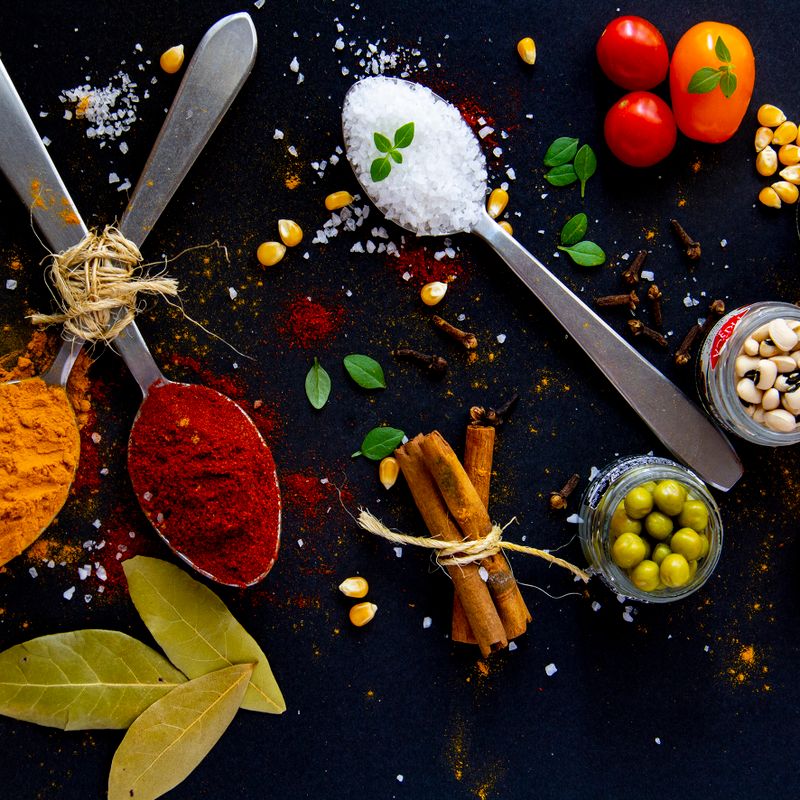
Dalmatian White Beans with Paprika
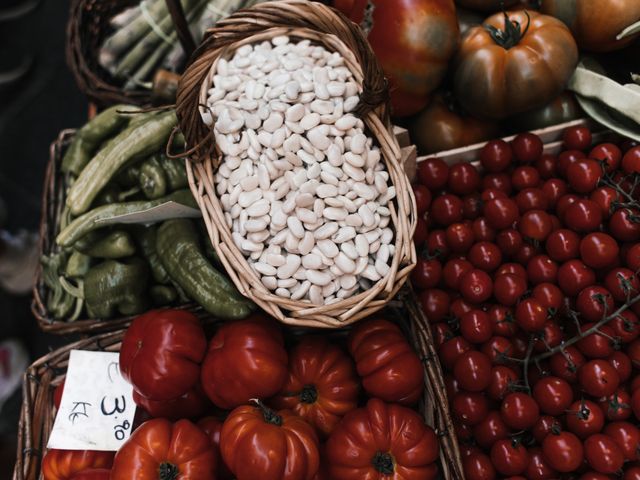
This traditional Croatian side dish celebrates the simplicity and warmth of Dalmatian coastal cooking. Creamy white beans are braised on the stovetop with onion, garlic, and plenty of paprika to create a deeply flavored, comforting dish. The paprika is bloomed in oil to develop its full, sweet flavor, and the beans become incredibly tender and creamy. Simple, vegetarian, and perfect alongside grilled meats, crusty bread, or as part of a Mediterranean spread.
- Prep
- 10 min
- Cook
- 25 min
- Wait
- 25 min
- Total
- 1 hr
- Makes
- 4 servings (about 5 cups)
Steps
Before you start
- If using dried beans instead of canned, soak them overnight and cook until tender before beginning this recipe
- Have all your ingredients prepped and ready on the counter (called mise en place)—this ensures the paprika won't scorch while you're still chopping
- Use a medium saucepan or large pot about 4 quarts (3.8 liters) in capacity
- Use good-quality Hungarian paprika for the best flavor—older paprika loses potency
Prep onion and garlic
- Slice the yellow onion in half lengthwise, then place cut-side down on a cutting board.
- Slice into thin half-moons, then roughly chop until finely diced (about 3/8-inch pieces).
- Peel and mince the garlic cloves finely.
- Set both aside separately.
+ Show details− Hide details
Ready when: Onion and garlic are finely prepped and ready
Tip: Prep all ingredients before you start cooking so the paprika doesn't scorch while you're still chopping.
Sauté onion in oil
- Add the 3 tablespoons olive oil to a medium saucepan or large pot (about 4-quart / 3.8L capacity) over medium heat.
- Once the oil is shimmering (about 1 minute), add the diced onion.
- Sauté, stirring occasionally with a wooden spoon, until the onion is soft, translucent, and just beginning to turn golden at the edges, about 4–5 minutes.
- The onion should be tender but not browned.
+ Show details− Hide details
Ready when: Onion is soft and translucent, edges just beginning to turn light golden
Tip: Keep the heat at medium so the onion softens gently without browning—browning would change the flavor profile of the dish.
Toast paprika with garlic
- Add the minced garlic to the softened onion and stir constantly for about 30 seconds until very fragrant.
- Then add the 2 tablespoons paprika all at once, stirring continuously for exactly 1 minute.
- This brief cooking, called blooming, allows the paprika's oils to release and deepen the spice flavor.
- You should notice the oil turning a deeper red-orange color and the aroma becoming rich and sweet.
+ Show details− Hide details
Ready when: Oil is deep red-orange, aroma is rich and sweet
Tip: Do not leave the paprika unattended or let it burn—burnt paprika tastes bitter and will ruin the dish. Stir constantly to prevent burning.
Stir in tomato paste
- Add the 2 tablespoons tomato paste to the paprika mixture.
- Stir thoroughly for about 1–2 minutes, making sure the tomato paste is fully incorporated and evenly distributed.
- This slight caramelization builds deeper flavor.
+ Show details− Hide details
Ready when: Tomato paste is fully combined and slightly darker
Tip: Stirring well prevents lumps and ensures the tomato flavor is distributed evenly throughout the base.
Add beans and broth
- Pour in the 1 cup vegetable broth (or water) and add the 3 cups drained and rinsed white beans.
- Stir gently to combine, scraping up any flavorful browned bits from the bottom of the pot (called fond).
- If using the optional bay leaf, add it now.
- The mixture should look soupy at this point, which is correct.
+ Show details− Hide details
Ready when: All ingredients are evenly combined
Tip: Stir gently to avoid breaking apart the beans, which would make the finished dish mushy.
Simmer until thickened
- Increase the heat to medium-high and bring the mixture to a gentle boil.
- Once small bubbles break the surface, reduce the heat to medium or medium-low, keeping the pot at a gentle simmer—the surface should bubble slowly, not vigorously.
- Simmer uncovered for 20–25 minutes, stirring occasionally with a wooden spoon.
- The liquid will gradually reduce and thicken as it cooks, and the flavors will deepen and meld together.
- The beans should remain intact and become very creamy and tender.
- When done, the sauce should lightly coat a spoon and look like a thick stew rather than a soup.
+ Show details− Hide details
Ready when: Liquid has reduced by about one-third, sauce lightly coats a spoon when you dip and lift it, beans are very creamy but still hold their shape
Tip: If the beans start to break apart, lower the heat further or reduce stirring. If the sauce is too thin after 25 minutes, continue simmering another 2–3 minutes. If too thick, add a splash more broth or water.
Taste and adjust seasoning
- Remove from heat.
- Taste the beans and adjust salt and black pepper to your preference.
- The paprika should be the dominant flavor—warm, slightly sweet, and mellow.
- Start with a small pinch of salt (the broth may already contain salt), then add more as needed.
- Remove the bay leaf if you used it.
- Let the pot sit undisturbed for 5 minutes so the flavors fully settle and the sauce thickens slightly more.
+ Show details− Hide details
Ready when: Flavors are balanced and properly seasoned
Tip: Taste carefully before adding much salt—many broths are already salted, and you can always add more but cannot remove it.
Serve
- Spoon the beans and sauce into bowls or serving plates.
- If desired, sprinkle with the chopped fresh parsley for color and brightness.
- Serve warm as a side dish alongside grilled meats, fish, crusty bread, or as part of a Mediterranean spread.
+ Show details− Hide details
Tip: This dish is even better the next day after flavors have rested and deepened, so don't hesitate to make it ahead.
Good to know
Tips
- Blooming the paprika—cooking it briefly in oil—is essential to developing its full, complex, sweet flavor. Skipping this step or rushing it will result in a flat, underdeveloped taste.
- Use good-quality Hungarian paprika for the best results. Paprika from the Szeged region of Hungary is particularly prized. Old paprika loses potency, so if yours has been open more than a year, buy a fresh jar.
- This dish improves overnight as the flavors meld and deepen, making it an excellent candidate for advance preparation. Reheat gently on the stovetop to avoid further breaking down the beans.
- Serve with crusty bread for soaking up the rich sauce, or alongside grilled meats, fresh salads, or other Mediterranean sides.
Make ahead
This dish is ideal for make-ahead cooking—the flavors improve after sitting overnight. Make up to 3 days in advance, refrigerate, and reheat gently on the stovetop with a splash of water to restore the sauce consistency.
Storage & reheating
Room temperature: up to 2 hours (don't leave unrefrigerated longer, as tomato-based dishes can spoil). Refrigerator: 3–4 days in an airtight container. Freezer: up to 2 months; thaw overnight in the fridge and reheat on stovetop over medium heat, stirring occasionally and adding 2–3 tablespoons water to restore sauce consistency. To reheat any time: Warm gently on the stovetop over medium heat, stirring occasionally, for 3–5 minutes until heated through. Add a splash of water if the sauce has thickened too much.
Substitutions
- canned white beans → Dried white beans (soaked overnight and cooked until tender) or canned cannellini beans. Dried beans add more depth of flavor but require advance preparation. Cannellini beans have a slightly more delicate flavor and creamier texture than standard white beans.
- tomato paste → 1 can (14 oz) crushed tomatoes (drained of excess liquid) or 1 cup fresh diced tomatoes, simmered 5 minutes beforehand. Canned or fresh tomatoes make the dish slightly brothier; reduce the broth to ¾ cup and add 2–3 minutes to the simmering time if using crushed tomatoes.
- Hungarian paprika → Hungarian smoked paprika. Smoked paprika gives the dish a deeper, smokier character—delicious but distinctly different from the traditional sweet version. Use the same amount.
- vegetable broth or water → Chicken broth or water. Chicken broth adds richness and depth; water is neutral and allows the paprika and tomato to shine through more clearly.
More bean sides
See all →


Find more like this
- Meal
- Dinner
- Cuisine
- Mediterranean
- Main ingredient
- White Beans
- Method
- Stovetop
- Quick & Easy
- Easy