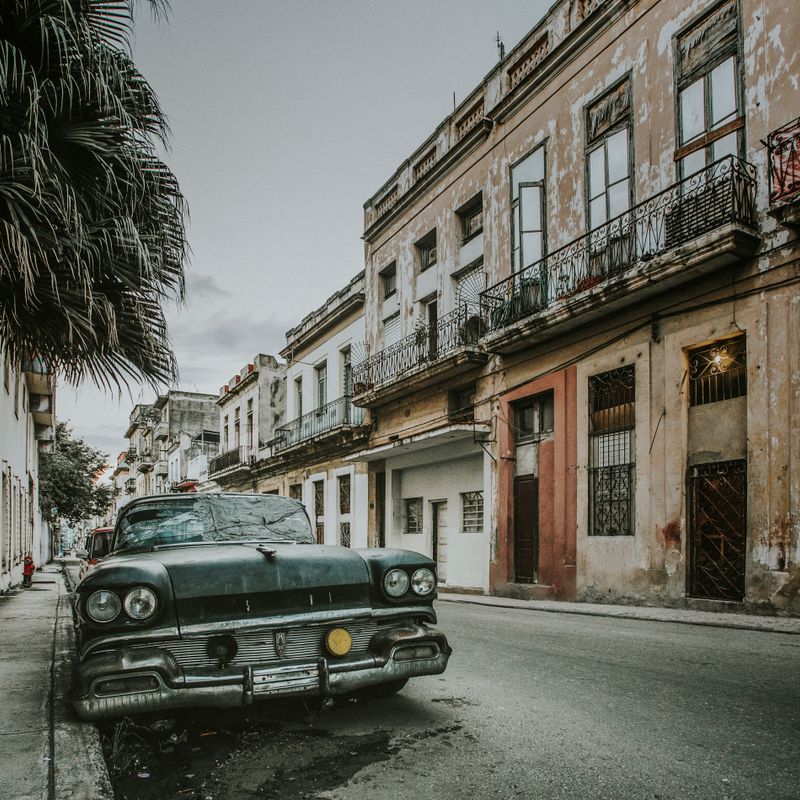
Cuban Ropa Vieja Wrap
Ropa vieja is a beloved Cuban classic—shredded beef so tender it falls apart, braised in a savory tomato sauce with bell peppers, onions, and green olives. This wrap version serves it warm in soft flour tortillas, making it casual enough for a weeknight dinner but impressive enough to share with guests. The bulk of cooking is hands-off slow simmering, and the flavors only improve if you make it ahead.
- Prep
- 15 min
- Cook
- 3 hr 30 min
- Wait
- 5 min
- Total
- 3 hr 50 min
- Makes
- 4 wraps
Steps
Before you start
- Read through the entire recipe—the hands-on time is about 60 minutes, but slow cooking takes 3 hours, making this ideal for a relaxed afternoon.
- Pat the beef chuck very dry with paper towels 30 minutes ahead; dry meat browns properly instead of steaming.
- Prep all ingredients (chop onions, peppers, garlic, measure spices) before you start cooking so you don't scramble mid-recipe.
- Have a large Dutch oven or heavy-bottomed pot (at least 5-quart capacity) ready and cleared of other dishes.
Sear beef until golden
- Pat the beef dry with paper towels, pressing firmly to remove excess moisture.
- Season generously on all sides with salt and pepper.
- Heat 3 tablespoons of olive oil in your Dutch oven or heavy-bottomed pot (at least 5-quart capacity) over medium-high heat until the oil is shimmering and just starting to smoke, about 2 minutes.
- Carefully place the beef in the pot—it should sizzle immediately.
- Don't move it for 3–4 minutes to develop a deep, flavorful crust.
- Flip and sear the opposite side for another 3–4 minutes.
- If your pot isn't large enough to fit the beef comfortably, sear it in two pieces, browning all sides (about 2 minutes per side).
- The goal is a dark mahogany crust on all exposed surfaces.
- Transfer the seared beef to a clean plate.
+ Show details− Hide details
Ready when: Beef is deeply browned on all sides with a dark, flavorful crust
Tip: Patting the beef dry is essential—moisture on the surface prevents browning and causes steaming instead. Don't skip this.
Cook vegetables until soft
- Add the sliced yellow onions and all three types of sliced bell peppers (red, yellow, and green) to the same pot.
- Stir occasionally and cook over medium-high heat for 10–12 minutes, until the vegetables are softened and lightly caramelized at the edges.
- Add the minced garlic and stir constantly for about 1 minute until very fragrant.
- You should smell the pungent aroma of cooked garlic filling the kitchen.
+ Show details− Hide details
Ready when: Vegetables are soft with light golden edges; garlic is very fragrant
Tip: Stir every minute or two to prevent sticking. If vegetables brown too quickly, lower the heat to medium—you want them soft and caramelized, not blackened.
Create savory sauce base
- Add the tomato paste to the pot and stir constantly for 2 minutes.
- This brief cooking deepens the tomato flavor and removes any raw edge.
- Pour in the can of crushed tomatoes (28 oz / 800 g), the beef broth (1.5 cups / 360 ml), ground cumin (1.5 teaspoons), dried oregano (1 teaspoon), and 2 bay leaves.
- Stir well, scraping the bottom and sides of the pot to release all the browned, flavorful bits stuck to the surface (called the fond—this is pure flavor).
- Return the seared beef to the pot, nestling it into the sauce so it's partially submerged.
- The sauce should come about halfway up the sides of the beef.
+ Show details− Hide details
Ready when: Sauce is well mixed, fond is scraped up, and beef is nestled into the liquid
Tip: Don't skip scraping up the fond—those browned bits contain deep, savory caramelized flavor that's essential to authentic ropa vieja.
Braise beef on low heatOven 180°F / 80°C
- Reduce heat to low.
- Partially cover the pot with a lid, leaving a slight gap (about 1 inch) to allow steam to escape slowly—the goal is a gentle simmer, not a boil.
- Simmer for 2.5 to 3 hours.
- Every 45 minutes or so, give the pot a gentle stir and carefully turn the beef over if you can reach it comfortably.
- The beef is ready when it shreds very easily with a fork—no resistance should remain.
- An instant-read thermometer inserted into the thickest part should read at least 180°F (82°C), though the texture (shredding easily) matters more than the exact temperature.
- If the sauce hasn't thickened much, that's fine; it will reduce and thicken as the meat breaks down and incorporates.
+ Show details− Hide details
Ready when: Beef shreds easily with a fork with no resistance; internal temperature is at least 180°F (82°C)
Tip: Resist the urge to boil or raise the heat. The slow, gentle simmer is what makes the beef silky and tender and allows flavors to meld. If the simmer becomes a rolling boil, lower the heat further immediately.
Shred beef and add olives
- Remove the pot from heat.
- Using a slotted spoon, carefully transfer the beef to a cutting board and let it rest for 5 minutes—this makes it easier to handle.
- Using two forks (one in each hand) or your hands if they're heat-proof, pull the beef apart into thin shreds, following the natural grain of the meat.
- Discard any large pieces of fat that don't shred easily.
- Return all the shredded beef to the pot.
- Stir in the pitted and halved green olives and fold gently to distribute them evenly throughout the filling.
+ Show details− Hide details
Ready when: Beef is pulled into thin, uniform shreds; olives are evenly distributed throughout
Tip: Shredding against the grain (across the muscle fibers) gives shorter, more tender pieces. Shredding with the grain gives longer strands. Either works, but against the grain is easier for the cook.
Taste and adjust seasonings
- Give the ropa vieja a good stir.
- Taste a spoonful of the filling (be careful, it's still warm) and adjust salt and black pepper to your liking.
- If the sauce seems too thin or watery, place the pot back on the stove over medium heat and simmer uncovered for 5–10 minutes to reduce and concentrate the sauce.
- If it seems too thick, add a splash (about 1/4 cup / 60 ml) of beef broth or water and stir well.
- The finished ropa vieja should be saucy—not dry, but not soupy either; it should coat a spoon.
- Remove and discard the 2 bay leaves.
+ Show details− Hide details
Ready when: Sauce coats the shredded beef; seasoning is balanced to your taste
Tip: Taste as you adjust—it's easy to add more salt, but impossible to remove it. Start with 1/4 teaspoon and adjust upward slowly.
Warm tortillas until pliableOven 350°F / 175°C
- Right before serving, warm the 4 flour tortillas.
- Heat a large skillet or griddle over medium heat for about 1 minute until warm.
- Place one tortilla in the skillet and warm for about 30 seconds, then flip and warm the other side for another 30 seconds until heated through and pliable but still soft.
- Transfer to a plate and keep warm.
- Repeat with the remaining 3 tortillas.
- Alternatively, wrap all 4 tortillas in foil and warm them in a 350°F (175°C) oven for 5 minutes.
+ Show details− Hide details
Ready when: Tortillas are heated through, soft, and pliable; they bend without cracking
Tip: Warm tortillas immediately before serving so they stay soft and pliable. Cold or stale tortillas are hard to fold and may crack when filled.
Fill and roll wraps
- Place a warm tortilla on a serving plate.
- Spoon about 3/4 cup (180 ml) of the ropa vieja filling down the center of the tortilla, leaving about 1 inch of space on all sides.
- Squeeze a lime wedge over the filling.
- Sprinkle a small pinch of fresh cilantro (if using) over the top.
- Fold or roll the tortilla to enclose the filling—you can fold it burrito-style (tucking in the ends) or leave the ends open.
- Serve immediately while the tortilla and filling are still warm, with extra lime wedges on the side for squeezing.
+ Show details− Hide details
Ready when: Wraps are assembled and filling is warm
Tip: Don't overfill the wraps or they'll be difficult to fold and filling will spill. The 3/4 cup per wrap is the right amount for easy handling.
Good to know
Tips
- Don't skip the searing step. The dark brown crust creates a fond (flavorful caramelized bits) in the pot that's packed with savory depth—this is what transforms the sauce from ordinary to complex.
- Ropa vieja means 'old clothes' in Spanish because the shredded meat looks like tattered rags. Use tough, inexpensive cuts like chuck that become tender through slow cooking, never premium cuts like ribeye.
- This dish tastes even better the next day once the flavors have melded overnight. Make it on a Sunday or a day ahead and reheat gently—it's perfect for meal prep and freezes beautifully.
- For a spicier version, add 1–2 dried guajillo or ancho chilies to the pot during braising, or stir in 1/2 teaspoon of cayenne pepper when adjusting seasonings in Step 6.
Make ahead
The ropa vieja filling can be made up to 3 days ahead and refrigerated in an airtight container. It actually tastes better the next day once the flavors have melded overnight. To reheat, gently warm it in a pot on the stove over medium-low heat, stirring occasionally and adding a splash of beef broth or water if it seems too thick (about 5–8 minutes). The tortillas should be warmed fresh right before serving.
Storage & reheating
Room temperature: The finished ropa vieja can sit in the covered pot for up to 1 hour off the heat. Refrigerator: Store in an airtight container for 4–5 days. Freezer: Freeze in an airtight freezer-safe container or freezer bag for up to 3–4 months. To reheat: Warm gently in a pot on the stove over medium-low heat, stirring occasionally and adding a splash of beef broth or water as needed (about 5–10 minutes). Alternatively, microwave in a covered container in 2-minute intervals, stirring between intervals, until heated through.
Substitutions
- beef chuck roast → Pork shoulder or lamb shoulder. Pork may cook slightly faster (2–2.5 hours); lamb will add a different flavor profile. Chuck is ideal for ropa vieja because it becomes silky through slow cooking.
- green olives, such as Manzanilla → Manzanilla olives, Castelvetrano olives, or a mix of green and Kalamata olives. Kalamata olives will make the dish darker and more briny. You can also omit olives entirely if you prefer, though they're traditional.
- large flour tortillas → Warm corn tortillas (use 2 per wrap; they're thinner), Cuban flatbread, or soft pita bread. Corn tortillas are more authentic to Cuban cuisine and add a slightly different texture.
- crushed tomatoes (canned) → 2 tablespoons tomato paste mixed with 1.5 cups (360 ml) water or beef broth. Canned tomatoes are preferable for slow cooking because they break down more evenly. Fresh tomatoes don't release their liquid as well during braising.
More wraps
See all →
Find more like this
- Meal
- Dinner
- Cuisine
- Caribbean
- Main ingredient
- Beef RoastTomatoesBell Peppers
- Method
- Stovetop
- Quick & Easy
- Make Ahead