Charred Romanesco and Dukkah Spice Millet
Nutty millet cooked in vegetable broth pairs with caramelized romanesco and a warm blend of toasted nuts, seeds, and spices. Dukkah—the Egyptian spice mixture—is sprinkled both into the grain and over the finished dish for layered flavor and a satisfying crunch.
- Prep
- 15 min
- Cook
- 28 min
- Wait
- 5 min
- Total
- 48 min
- Makes
- 4 servings (about 3½ cups)
Steps
Before you start
- Toast the dukkah spices if making from scratch (or use store-bought). Measure out millet and broth. Cut romanesco into florets about 1¼ inches across.
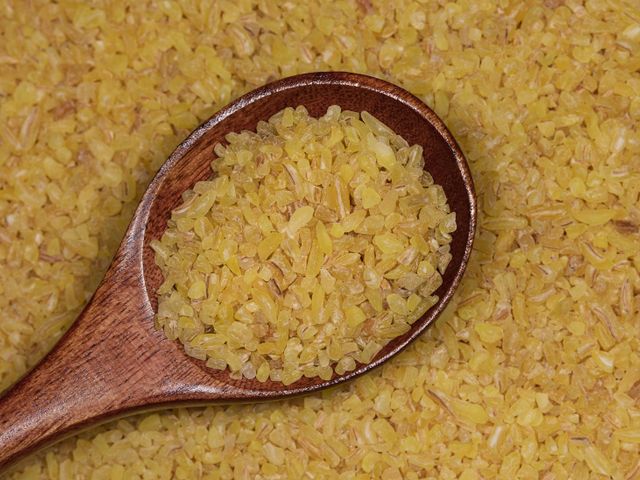
Toast the millet
- Heat a medium saucepan over medium heat.
- Add the millet and toast it, stirring occasionally, for 3–4 minutes.
- You'll hear it begin to pop slightly and smell a pleasant nutty aroma.
- Don't let it brown too much or it will taste harsh.
+ Show details− Hide details
Ready when: millet smells toasted and nutty, beginning to pop
Tip: Toasting dries out the grain and brings out its natural sweetness; skip this and the millet will taste dull and watery.
Cook millet in broth
- Pour the vegetable broth into the saucepan with the toasted millet, stirring to combine.
- Bring to a simmer over medium-high heat, then reduce to low heat, cover, and cook for 18–20 minutes.
- The millet should absorb the liquid and become tender but still slightly firm.
+ Show details− Hide details
Ready when: liquid is absorbed, millet is tender with no crunch in the center when bitten
Tip: Keep the lid on to trap steam; lifting it repeatedly will lengthen cooking time.
Char the romanesco
- While the millet cooks, heat 2 tablespoons (30 ml) of olive oil in a large heavy skillet over medium-high heat until it shimmers.
- Working in batches if needed, add the romanesco florets cut-side down without stirring.
- Let them sit undisturbed for 4–5 minutes until golden brown and caramelized on the bottom.
- Shake the pan, turn the florets over, and cook for another 2–3 minutes on the other side until charred at the edges.
- Transfer to a bowl and season with salt and pepper.
+ Show details− Hide details
Ready when: romanesco is golden brown and tender when pierced with a fork, with dark caramelized edges
Tip: Don't stir the romanesco too early; letting it sit undisturbed creates a brown, flavorful crust. Crowding the pan lowers the temperature and causes steaming instead of charring.
Finish and assemble
- When the millet is done, fluff it with a fork and stir in 2 tablespoons (20 g) of the dukkah spice mix and the remaining 2 tablespoons (30 ml) of olive oil.
- Taste and adjust salt and pepper.
- Transfer to a serving bowl or individual bowls, top with the charred romanesco, and sprinkle with the remaining 3 tablespoons (30 g) of dukkah.
- Let rest for 5 minutes before serving so flavors settle.
+ Show details− Hide details
Ready when: millet is fluffy and well combined with oil and spices
Tip: Use dukkah in two stages: some mixed into the warm grain for depth, some sprinkled on top for crunch and visual appeal.
Good to know
Tips
- Toasting the millet before cooking is the secret to avoiding a bland, mushy grain. This extra step transforms the finished dish and is well worth the few minutes it takes.
- Dukkah spice mix is a traditional Egyptian blend of hazelnuts, chickpeas, sesame seeds, coriander, cumin, and black pepper. It's increasingly available in grocery stores, but you can make it at home by toasting and grinding whole spices and nuts together.
- For the most vibrant color and charred crust, use a cast-iron or stainless-steel skillet rather than nonstick. Nonstick surfaces don't create a deep brown fond the same way.
Make ahead
You can cook the millet and char the romanesco separately up to 4 hours ahead. Store both in airtight containers at room temperature. Reheat the millet gently in a covered saucepan with a splash of water over low heat. Reheat the romanesco in a skillet over medium heat for 2–3 minutes. Assemble and dress with dukkah and olive oil just before serving for the best texture.
Storage & reheating
Store leftovers in an airtight container in the refrigerator for up to 3 days. The millet will firm up slightly but remains edible. Romanesco is best consumed the same day. To reheat, combine in a skillet over medium heat with a splash of water and cook until warmed through, about 4–5 minutes. The dukkah spice can be sprinkled fresh on reheated portions. Do not freeze; dukkah loses its crunch and romanesco becomes mushy when thawed.
Substitutions
- romanesco → broccoli or cauliflower florets. Both char beautifully with the same timing and method. Broccoli will have a slightly earthier flavor; cauliflower is milder and more delicate.
- vegetable broth → chicken broth or water. Vegetable broth is preferred for its gentle, neutral flavor. Chicken broth works and adds mild savory depth. Water is plain but acceptable if broth is unavailable.
- dukkah spice mix → za'atar or a homemade blend of toasted hazelnuts, sesame seeds, cumin, coriander, and black pepper. Za'atar is tangier and includes dried herbs; dukkah is warmer and nuttier. If making your own dukkah, toast whole spices and nuts, then grind coarsely for the best texture and flavor.
- millet → quinoa, farro, or freekeh. Quinoa cooks faster (about 15 minutes) and is fluffier. Farro and freekeh are heartier and benefit from the same toasting method. Adjust cooking liquid slightly: quinoa needs 2 cups (480 ml) per 1 cup grain; farro and freekeh use the 2:1 ratio as millet.