
Charred Eggplant and Tomato Sauce
A rustic Mediterranean vegan sauce built on deeply charred eggplant and ripe tomatoes. The eggplant is cooked until its skin blackens and flesh becomes silky, then simmered with crushed tomatoes, garlic, and oregano into a rich, smoky sauce perfect for pasta, polenta, or grains. The charring brings out the eggplant's natural sweetness while the long cook mellows everything into comfort.
- Prep
- 10 min
- Cook
- 45 min
- Wait
- 5 min
- Total
- 1 hr
- Makes
- About 3 cups sauce (4 servings)
Steps
Before you start
- Cut eggplant into ½-inch-thick rounds and let them sit at room temperature for 15 minutes before charring (this helps them cook more evenly).
- Measure all ingredients and have them ready before you start charring—the eggplant cooks quickly once on the heat.
- Use a large heavy skillet or cast iron for best charring; avoid non-stick pans which don't develop deep browning.
Char the eggplant
- Heat the large skillet over medium-high heat for 2 minutes.
- Working in batches to avoid crowding, add eggplant rounds without moving them for 4–5 minutes until the bottom is deeply charred and blistered (it should look almost blackened).
- Flip and char the other side another 4–5 minutes.
- Transfer to a cutting board and let cool slightly, about 2 minutes.
- Once cool enough to handle, chop into 1-inch pieces.
- You should have about 4 cups of charred eggplant.
+ Show details− Hide details
Ready when: Eggplant skin is dark brown to nearly black and flesh is very soft
Tip: Don't stir or move the eggplant while it's charring—you need direct contact with the hot pan to get deep, dark color. Work in batches; crowding the pan steams the eggplant instead of charring it.
Sauté garlic and tomato paste
- Add 1½ tbsp (22 ml) olive oil to the same skillet over medium heat.
- Add minced garlic and cook, stirring, for 1 minute until fragrant.
- Stir in tomato paste and cook for 2 minutes, stirring occasionally, until it darkens slightly and smells concentrated.
- This step builds deep savory flavor.
+ Show details− Hide details
Ready when: Tomato paste is noticeably darker and aromatic
Tip: Cooking the tomato paste caramelizes it slightly and intensifies its umami flavor—don't skip this step.
Add tomatoes and seasonings
- Pour in the crushed canned tomatoes with their juices, add the charred eggplant, oregano, and red pepper flakes.
- Stir well.
- Bring to a gentle simmer over medium heat.
+ Show details− Hide details
Ready when: Mixture reaches a gentle simmer with small bubbles breaking the surface
Simmer until rich and thick
- Reduce heat to medium-low.
- Simmer uncovered for 18–22 minutes, stirring occasionally, until the sauce thickens slightly and the flavors meld.
- The eggplant should break down further and the liquid should reduce by about a quarter.
- The sauce will taste deeper and more concentrated.
+ Show details− Hide details
Ready when: Sauce coats the back of a spoon lightly, liquid has noticeably reduced, and flavors taste integrated
Tip: Stir every 5 minutes or so to prevent sticking and ensure even cooking. The eggplant will mostly dissolve into the sauce, thickening it naturally.
Taste and season
- Remove from heat.
- Taste the sauce and season with kosher salt and freshly ground black pepper to your liking.
- Start conservatively with salt—about ¾ tsp—and adjust.
- The sauce should taste balanced between the sweet eggplant, acidity of tomato, and savory garlic.
+ Show details− Hide details
Ready when: Flavors taste balanced and pleasing to you
Tip: Taste as you add salt—it's easier to add more than to remove it. Remember that if you're serving over pasta, any pasta water absorbed will add a little salt, so don't over-season now.
Rest and serve
- Let the sauce rest off the heat for 5 minutes.
- This allows flavors to settle and carry-over cooking to finish.
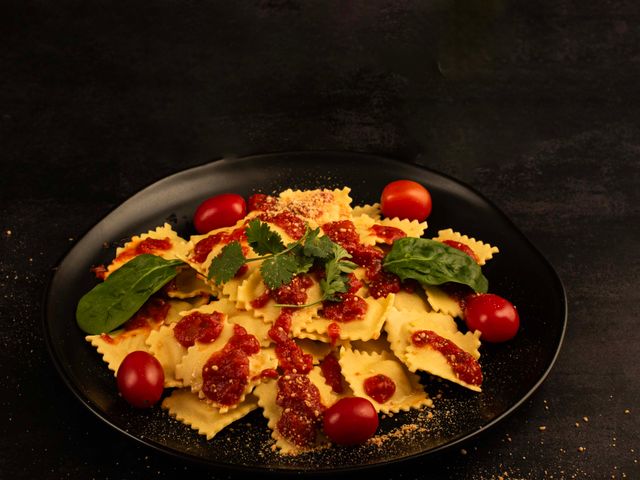
- Serve warm over pasta, polenta, or grains.
- Garnish with fresh basil if desired and a drizzle of good olive oil.
+ Show details− Hide details
Tip: A final drizzle of olive oil adds richness and brings fresh flavor—don't skip it even though the recipe is already vegan.
Good to know
Tips
- Deep charring is essential: the darker the eggplant's skin, the deeper and smokier the final sauce. Don't be afraid of nearly blackened skin—the flesh underneath becomes silky, not burnt.
- This sauce is naturally thick because eggplant breaks down and releases its pectin. If it becomes too thick during storage, thin it with a splash of vegetable broth or pasta water when reheating.
- Pair with short, tubular pastas like penne or rigatoni that catch the chunky sauce, or use it as a topping for creamy polenta or grain bowls.
- For a textured sauce, chop the eggplant into larger pieces (¾ inch) so it doesn't completely dissolve. For a more unified sauce, chop it finer or mash it with a wooden spoon during simmering.
Make ahead
This sauce improves with time as flavors deepen. Make it up to 2 days ahead and store covered in the refrigerator. Reheat gently over medium-low heat, stirring occasionally, until warmed through (about 5 minutes). You can also freeze it for up to 3 months in an airtight container; thaw overnight in the fridge and reheat the same way.
Storage & reheating
Room temperature: up to 2 hours in an airtight container. Refrigerator: up to 4 days in a covered container. Freezer: up to 3 months in an airtight freezer-safe container. Reheat gently over medium-low heat, stirring, until warmed through (5–7 minutes).
Substitutions
- dried oregano → fresh oregano or marjoram. Use 1 tbsp (3 g) fresh herb, added at the end of simmering rather than at the beginning, so it doesn't lose its delicate flavor.
- canned whole tomatoes → 1½ lb (680 g) fresh ripe tomatoes, roughly chopped. Use only during peak tomato season. You may need to simmer slightly longer (25–30 minutes) since fresh tomatoes contain more water. If using canned fire-roasted tomatoes, the result will be smokier.
- red pepper flakes → pinch of cayenne pepper. Cayenne is much hotter, so start with ⅛ tsp and taste before adding more. Or omit entirely if you prefer no heat.
- olive oil → neutral oil like grapeseed or sunflower oil. Use for charring (neutral oil has a higher smoke point), but finish with a drizzle of good olive oil for flavor since the characteristic taste will be missing.
More pasta sauces
See all →



Find more like this
- Meal
- Dinner
- Cuisine
- Mediterranean
- Method
- Stovetop