
Brown Butter Blueberry Sheet Cake with Lemon
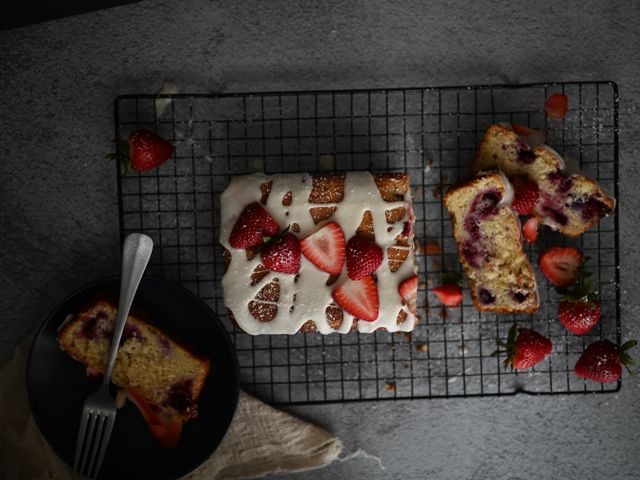
A tender, moist sheet cake with the deep, nutty flavor of brown butter, studded with tart blueberries and brightened with fresh lemon zest. The delicate crumb is perfect for a weekend breakfast or brunch, and its simple elegance makes it easy enough for weekday gatherings. Serve warm or at room temperature with a cup of tea or coffee.
- Prep
- 20 min
- Cook
- 35 min
- Wait
- 30 min
- Total
- 1 hr 25 min
- Makes
- 1 sheet cake (12 servings)
Steps
Before you start
- Preheat your oven to 350°F (175°C) and position a rack in the middle
- Grease a 9×13-inch (23×33 cm) sheet pan with butter and line the bottom with parchment paper for easy removal
- Have all ingredients at room temperature, especially eggs and buttermilk, for a smooth batter
- Gently toss fresh blueberries with 1 tablespoon of flour before folding in to prevent sinking
Brown the butter
- Cut the butter into small pieces and place in a small saucepan over medium heat.
- Stir occasionally as the butter melts.
- Once melted, it will begin to foam.
- Continue cooking, watching carefully, for 8–10 minutes total.
- You'll hear a gentle crackling sound and the milk solids at the bottom will turn from white to golden brown.
- When the butter smells nutty and toasty and the solids are deep tan, pour the brown butter (including all the solids) into a medium bowl.
- Let cool for 5 minutes.
+ Show details− Hide details
Ready when: Butter is golden brown and smells nutty; milk solids are deep tan at the bottom
Tip: Brown butter can burn quickly. If it turns black, start over—burnt butter will ruin the cake's flavor.
Whisk in sugar and eggs
- Add the granulated sugar to the cooled brown butter and whisk vigorously for 1–2 minutes until combined.
- Add the eggs one at a time, whisking well after each addition until fully incorporated.
- The mixture should look slightly pale and creamy.
- Whisk in the lemon zest and vanilla extract.
+ Show details− Hide details
Ready when: Mixture is pale, creamy, and homogeneous
Tip: Don't skip the vigorous whisking after adding the sugar; this helps emulsify the batter and creates a tender crumb.
Combine dry ingredients
- In a separate medium bowl, whisk together the flour, baking powder, and salt.
- Set aside.
+ Show details− Hide details
Ready when: Dry ingredients are evenly mixed with no lumps of baking powder
Alternate flour and buttermilk
- Add one-third of the flour mixture to the egg mixture and fold gently with a rubber spatula until just combined.
- Pour in half of the buttermilk and fold until just combined.
- Repeat with another third of the flour, the remaining buttermilk, and finish with the last third of the flour.
- Fold gently after each addition until no streaks of flour remain.
- Do not overmix.
+ Show details− Hide details
Ready when: Batter is smooth with no visible flour streaks; a few small lumps are okay
Tip: Overmixing the batter once flour is added will develop gluten and make the cake tough. Fold gently and stop as soon as you see no white streaks.
Fold in blueberries
- In a small bowl, toss the rinsed and dried blueberries gently with 1 tablespoon (8 g) of flour from the measured flour amount.
- This coating helps them stay suspended and not sink to the bottom.
- Fold the blueberries gently into the batter until evenly distributed.
+ Show details− Hide details
Ready when: Blueberries are scattered throughout without large pockets of batter
Tip: Flouring the blueberries prevents them from sinking. Use dry blueberries—wet ones cause uneven distribution.
Transfer and spread
- Pour the batter into the prepared 9×13-inch (23×33 cm) sheet pan, using a rubber spatula to spread it in an even layer.
- Make sure the batter reaches all corners and is level.
- Give the pan a gentle tap on the counter to release any trapped air bubbles.
+ Show details− Hide details
Ready when: Batter is evenly spread from edge to edge
Tip: An offset spatula or the back of a spoon dipped in water makes spreading easier without dragging up the pan coating.
BakeOven 350°F / 175°C
- Place the pan in the preheated 350°F (175°C) oven on the middle rack.
- Bake for 32–37 minutes, until a toothpick inserted into the center comes out clean or with just a few moist crumbs clinging to it (the blueberries may leave wet marks—that's normal).
- The top should be light golden brown and spring back when gently pressed.
+ Show details− Hide details
Ready when: Toothpick comes out clean or with just a few moist crumbs; top is light golden and springs back when pressed
Tip: Every oven bakes differently. Start checking at 30 minutes; overbaking dries out the cake. If the top browns too fast, tent loosely with foil.
Cool in pan
- Remove the cake from the oven and set the pan on a wire rack.
- Let the cake cool in the pan for 15 minutes.
- This allows it to set enough to handle without falling apart.
- You can run a thin knife around the edges to help it release.
+ Show details− Hide details
Ready when: Cake has pulled slightly away from the pan edges and is firm to the touch
Tip: Cooling in the pan prevents the cake from breaking when inverted or turned out. Don't wait longer than 20 minutes or it may stick.
Good to know
Tips
- Brown butter is the star here—don't skip it. The deep, toasty flavor is what sets this cake apart. Make sure it cools slightly before adding the eggs so you don't end up with scrambled eggs.
- Measure flour by spooning it gently into your measuring cup and leveling with a knife, or weigh it for accuracy. Scooping directly from the bag compacts the flour and can throw off your ratios.
- Fresh lemon zest makes a noticeable difference in brightness. Zest the lemon before juicing it, and use a Microplane grater for the finest texture.
- This cake is wonderful on its own or with a simple dusting of powdered sugar, a dollop of whipped cream, or a glaze made from 1 cup (120 g) powdered sugar whisked with 2–3 tablespoons lemon juice.
Make ahead
The cooled cake keeps well for up to 3 days if properly stored, making it ideal for baking ahead of a brunch. You can also brown the butter the day before and refrigerate it; warm it gently before using.
Storage & reheating
Room temperature: Cover with foil or store in an airtight container for up to 2 days. Refrigerator: Wrap well in plastic wrap and refrigerate for up to 4 days; bring to room temperature for 30 minutes before serving or warm gently in a 300°F (150°C) oven for 10 minutes. Freezer: Wrap the cooled, unfrosted cake tightly in plastic wrap and foil; freeze for up to 3 months. Thaw at room temperature for 2–3 hours before serving.
Substitutions
- fresh blueberries, rinsed and patted dry → frozen blueberries (unthawed). Frozen berries work well; don't thaw them first or they'll bleed into the batter and turn it purple. Add an extra minute or two to baking time.
- buttermilk, at room temperature → 1/2 cup (120 ml) plain yogurt plus 1/4 cup (60 ml) whole milk, mixed together. This creates a similar acidic environment. Stir well to combine before using.
- fresh lemon zest → 1 tablespoon (5 g) dried lemon peel, ground in a spice grinder, or 1/2 teaspoon lemon extract. Fresh zest gives the brightest flavor, but these alternatives work in a pinch. Use less extract—it's potent.
- all-purpose flour → cake flour (use 2 cups / 240 g for the same structure). Cake flour is lower in protein and yields an even more tender crumb. Increase the amount slightly by weight since it's less dense.
More brownies & bars
See all →


Find more like this
- Meal
- Breakfast
- Diet
- VegetarianHalal
- Method
- Oven
- Quick & Easy
- Easy