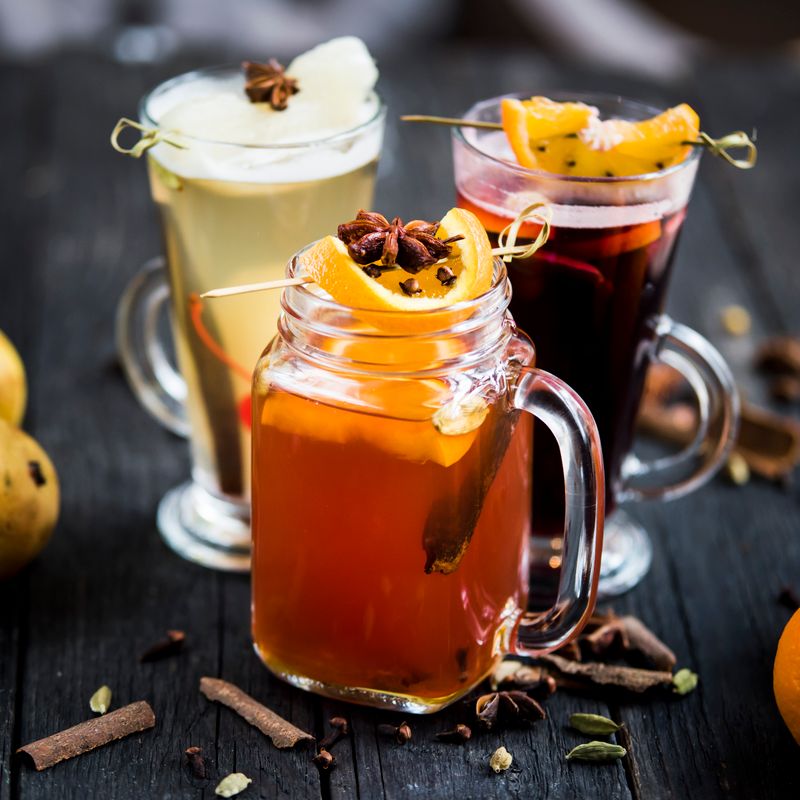
Brazilian Quentão (Spiced Wine Punch)
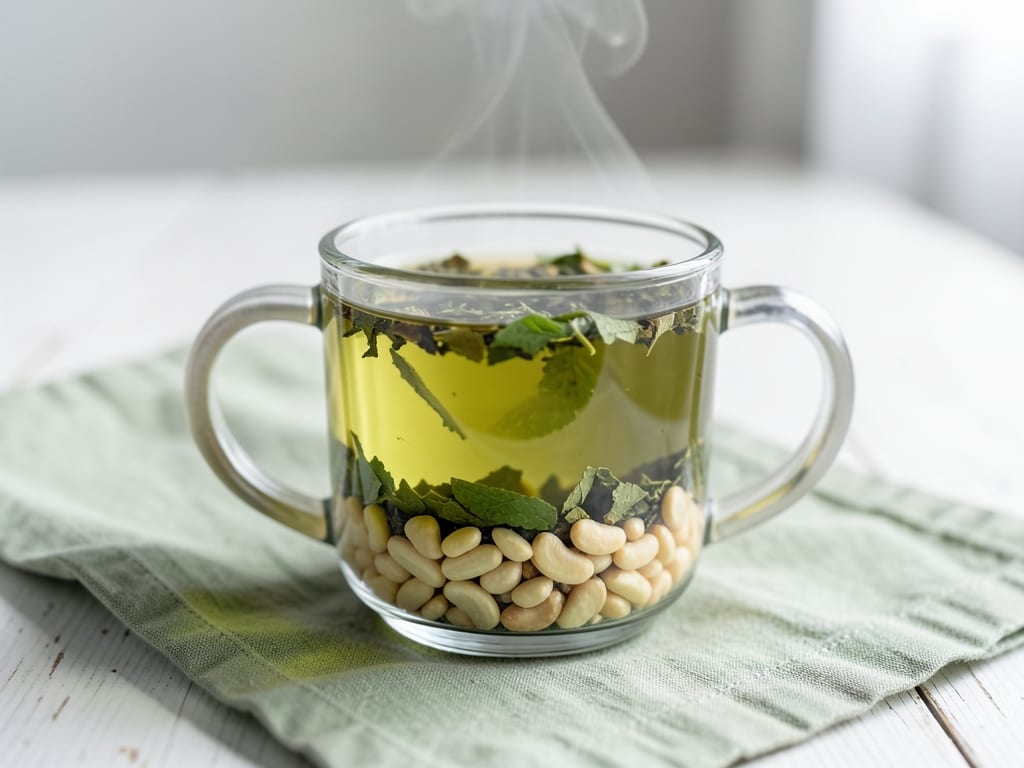
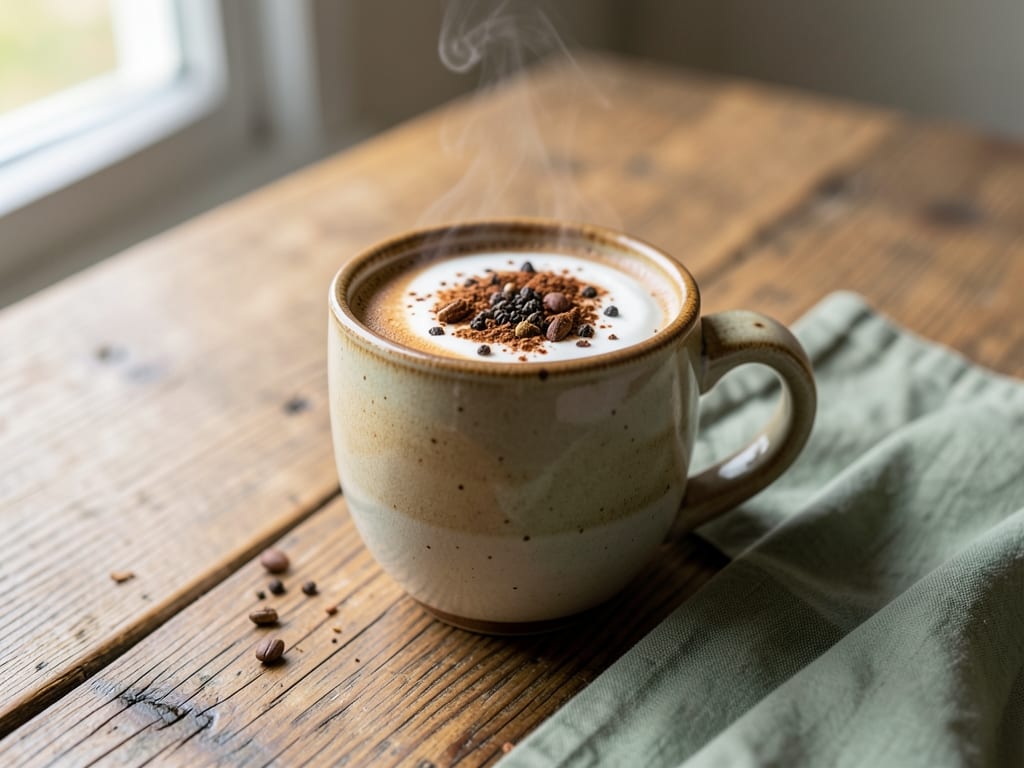
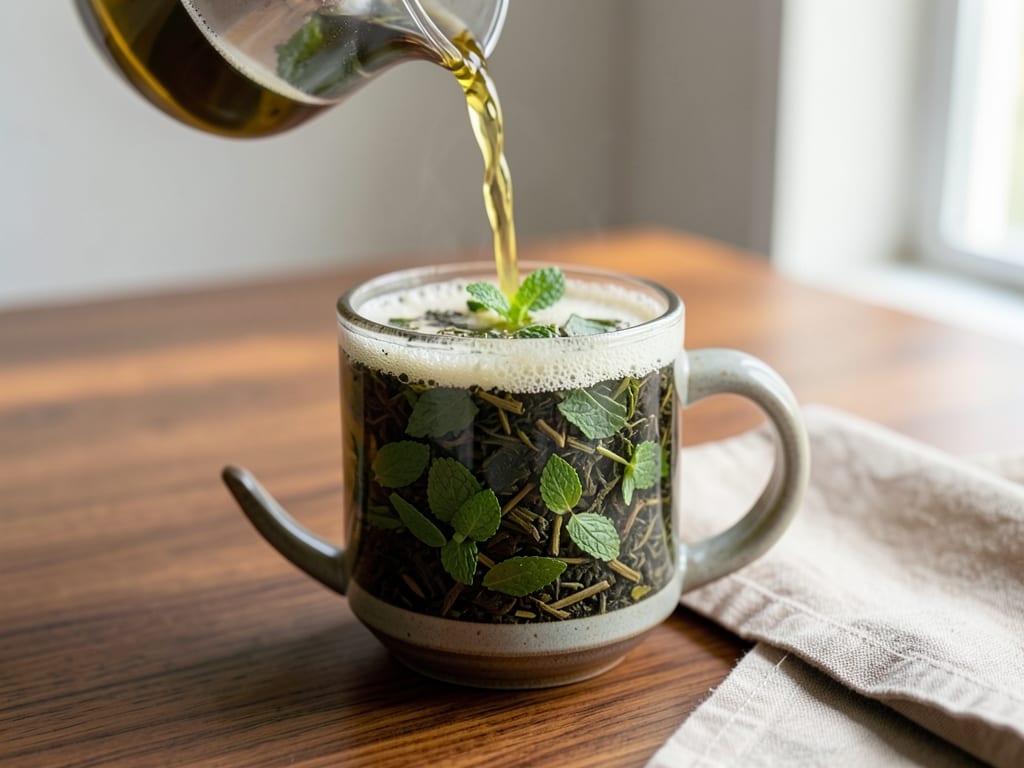
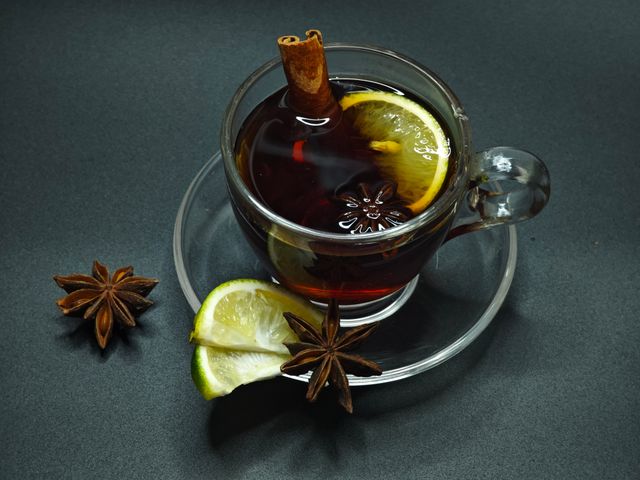
Quentão is a warming Brazilian spiced wine punch traditionally served at June festivals (Festas Juninas). This version combines red wine with fresh ginger, cinnamon, cloves, and roasted peanuts, sweetened with brown sugar and enriched with a touch of cachaça for authentic depth. Served piping hot in mugs, it's an aromatic celebration of Brazilian flavors—earthy spices, sweet wine, and the distinctive crunch of peanuts suspended in every sip.
- Prep
- 10 min
- Cook
- 20 min
- Total
- 30 min
- Makes
- 6 servings (about 1 cup each)
Steps
Before you start
- Gather all spices and peanuts before you start—quentão comes together fast once you pour the wine
- Have 6 mugs or heat-safe glasses ready
- Use a red wine you'd drink on its own; avoid very tannic or cheap wines that turn bitter when heated
Combine wine and sugar
- Pour the red wine into a large saucepan or small pot (3–4 quart / 3–4 liter) over medium heat.
- Add the brown sugar and stir constantly until the sugar dissolves completely, about 2–3 minutes.
- Watch for it to begin steaming at the edges but do not boil.
+ Show details− Hide details
Ready when: Sugar is completely dissolved and liquid is steaming but not yet boiling
Tip: Avoid boiling at this stage, which can cook off some of the wine's fruit and leave a harsh, oxidized taste.
Add spices and ginger
- Reduce heat to medium-low.
- Add the sliced ginger, cinnamon stick pieces, whole cloves, and star anise if using.
- Stir briefly to distribute the spices evenly throughout the wine.
- The mixture should be just hot enough that small bubbles form around the edge of the pan—a gentle simmer, not a rolling boil.
+ Show details− Hide details
Ready when: Spices are evenly mixed and steam rises gently from the surface
Tip: Gentle heat prevents the wine from becoming too sharp or bitter. The spices will infuse slowly and evenly.
Simmer and infuse
- Maintain a gentle simmer (medium-low heat) for 12–15 minutes, stirring occasionally.
- You'll notice the ginger flavor developing and the cinnamon and cloves releasing their aromatic oils.
- The liquid will take on a warm amber-brown hue, and the aroma will become rich and spiced.
- Do not let it reach a rolling boil.
+ Show details− Hide details
Ready when: Wine is fragrant, has a warm amber color, and small bubbles form gently at the pan's edge
Tip: If you notice a sharp alcohol smell, the heat is too high. Lower it immediately.
Add peanuts and optional cachaça
- Stir in the roasted peanuts and the lemon zest if using.
- Add the cachaça now if you want to include it—it will warm through in the next minute or two.
- Stir gently to combine.
- The peanuts should float and distribute throughout the wine; they add both texture and a subtle earthy sweetness.
+ Show details− Hide details
Ready when: Peanuts are evenly distributed and still warm
Tip: Add cachaça just before serving rather than during the long simmer if you prefer to preserve its fresh spirit character.
Taste and adjust sweetness
- Carefully ladle a small amount into a spoon, let it cool for 10 seconds, and taste.
- If you'd like it sweeter, dissolve a tablespoon or two more brown sugar directly in the hot liquid and stir until dissolved.
- If it tastes too sweet or too strong, you can add a splash of warm water (1–2 tablespoons).
- Taste again until you're happy.
+ Show details− Hide details
Ready when: Flavors are balanced to your preference
Tip: Taste while still hot, as the sweetness perception changes as it cools.
Strain or serve with peanuts
- You have two options: (1) Leave everything in and ladle into mugs, so each serving gets peanuts, ginger slivers, and whole spices floating in the punch (traditional style), or (2) pour through a fine-mesh strainer or cheesecloth into a clean pot, then ladle the clear liquid into mugs and distribute the soaked peanuts among the servings.
- The first method is easier and more rustic; the second is more elegant.
+ Show details− Hide details
Ready when: Punch is divided into mugs or a serving vessel
Tip: If straining, reserve the peanuts and ginger—they're too delicious to throw away.
Serve immediately
- Ladle the hot quentão into mugs or heat-safe glasses, aiming to give each serving some of the peanuts and spice pieces if you didn't strain.
- If desired, add a squeeze of fresh lemon juice to each mug just before serving (the acidity brightens the wine's fruit).
- Serve at once while steaming hot.
+ Show details− Hide details
Ready when: Quentão is in mugs and steaming hot
Tip: Warn guests about whole spices in the mugs if serving unstrained—it's traditional but they won't want to chew a clove.
Good to know
Tips
- Quentão is a June festival drink in Brazil. Serve it at casual gatherings around the winter solstice (June in the Southern Hemisphere, December in the North) or any cold-weather evening. It pairs beautifully with savory corn breads and peanut-based snacks.
- Don't rush the simmer stage. Low, gentle heat for 12–15 minutes allows the spices to infuse smoothly without harshening the wine or cooking off its fruity notes.
- If you can find cachaça at a local Brazilian or Latin American market, it's worth seeking out for the most authentic flavor—its grassy, floral notes complement the spices perfectly.
- Whole spices (rather than ground) are traditional and look beautiful floating in the mugs, but they're an acquired taste. If you prefer a smoother drink, wrap the spices in cheesecloth before simmering, then remove the bundle at the end.
Storage & reheating
Quentão is best served fresh and hot, but leftovers can be refrigerated in an airtight container for up to 3 days. Reheat gently in a saucepan over medium-low heat (do not boil) until steaming, stirring occasionally, about 5–8 minutes. The flavors mellow slightly upon reheating, which some prefer. Do not freeze, as the alcohol content and spice intensity change unpredictably when thawed.
Substitutions
- dry red wine (a fruity Spanish, Portuguese, or inexpensive Argentinian blend works well) → white wine, rosé wine, or dry vermouth mixed with a splash of orange juice. White or rosé will yield a lighter, more delicate punch. Vermouth adds herbal complexity. Avoid full-bodied reds if you want a less heavy drink.
- roasted unsalted peanuts (or lightly salted) → roasted cashews, almonds, or chopped candied ginger. Nuts provide the same textural contrast; candied ginger doubles down on the spice theme. Some quentão recipes use no nuts at all.
- packed light brown sugar → white sugar or honey (use 0.5 cup / 100 g honey for a more floral sweetness). White sugar is neutral and won't affect color; honey adds subtle floral notes and is traditional in some regions.
- cachaça (Brazilian sugarcane spirit), optional but traditional → brandy, dark rum, or nothing at all. Cachaça is authentic but optional. Brandy and rum add warmth; omitting it keeps the focus on wine and spices.