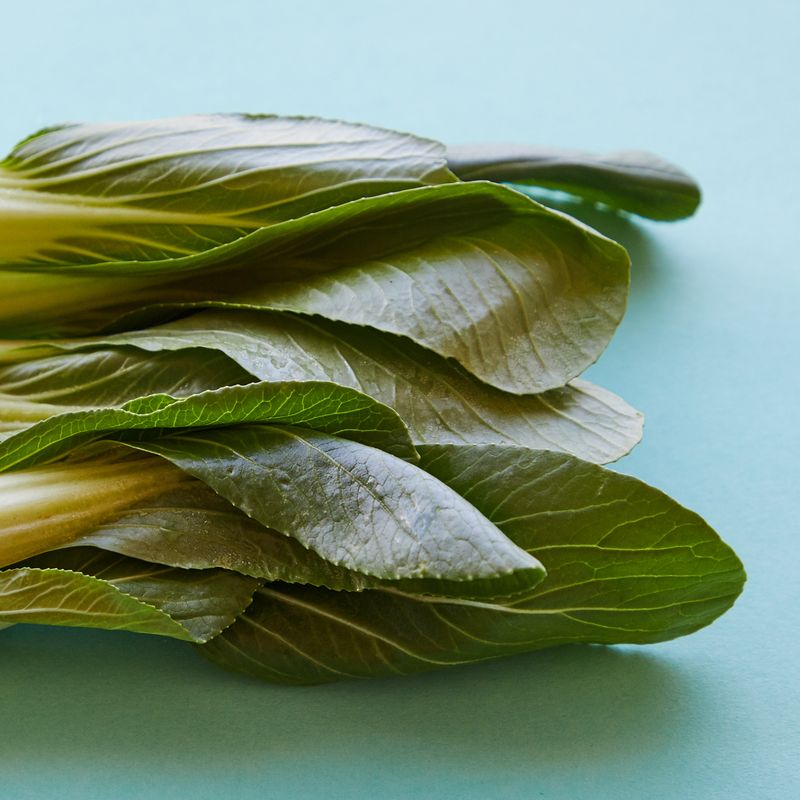
30-Minute Ginger Soy Beef and Bok Choy Couscous
Quick, fragrant skillet dish combining tender beef strips and fresh bok choy with pearl couscous in a ginger-soy glaze. Ready in 30 minutes, perfect for weeknight dinners with minimal cleanup.
Steps
Before you start
- Pat beef dry with paper towels (helps it brown better)
- Measure broth and have all ingredients prepped and within arm's reach of the stove
- Use a skillet or wok at least 12 inches wide
Brown the beef
- Heat 1 tablespoon of oil in a 12-inch skillet over medium-high heat until shimmering (about 1 minute).
- Add half the beef strips in a single layer (don't crowd the pan).
- Season with salt and pepper.
- Cook undisturbed for 2 minutes until a brown crust forms on the bottom, then stir and cook another 1–2 minutes until medium-rare (an instant-read thermometer should read 130–135°F/54–57°C internally).
- Transfer to a plate.
- Repeat with the remaining 1 tablespoon oil and remaining beef strips.
- Set all beef aside.
+ Show details− Hide details
Ready when: Beef is deep brown on surface and registers 130–135°F (54–57°C) for medium-rare
Tip: Dry beef with paper towels first; wet beef steams instead of browning. Work quickly to avoid overcooking.
Bloom aromatics
- To the same skillet (keeping any browned bits), add minced ginger and garlic.
- Stir over medium heat for about 45 seconds until fragrant, scraping the bottom of the pan to release any stuck bits.
+ Show details− Hide details
Ready when: Ginger and garlic are aromatic and very lightly golden
Tip: Keep the heat at medium to avoid burning the garlic, which turns bitter quickly.
Make the sauce
- Pour in the soy sauce, rice vinegar, honey, and dark sesame oil.
- Stir for 15 seconds to combine.
- The mixture will be slightly syrupy and deeply flavored.
+ Show details− Hide details
Ready when: All ingredients are fully combined and bubbling gently
Toast couscous
- Add the pearl couscous to the skillet.
- Stir constantly over medium heat for 2 minutes, coating the grains in the sauce.
- The couscous will begin to turn light golden and smell nutty.
+ Show details− Hide details
Ready when: Couscous is lightly golden and fragrant
Tip: Toasting the couscous adds depth of flavor and helps prevent clumping.
Add broth and simmer
- Pour in the beef broth slowly while stirring.
- Bring to a gentle boil over medium-high heat, then reduce heat to medium-low.
- Cover the skillet with a lid.
- Simmer for 8 minutes, stirring once halfway through, until the couscous is tender and has absorbed most of the liquid.
+ Show details− Hide details
Ready when: Couscous is tender, liquid is mostly absorbed but the mixture is still moist, not dry
Tip: Don't walk away entirely—stir once at the 4-minute mark to ensure even cooking and prevent sticking.
Add bok choy and beef
- Nestle the bok choy white stalks into the couscous.
- Place the beef and all its juices on top, along with the bok choy green leaves.
- Sprinkle with red pepper flakes if using.
- Re-cover and cook over medium heat for 2 minutes until the bok choy stalks are just tender and the beef is warmed through.
+ Show details− Hide details
Ready when: Bok choy white stalks are fork-tender, leaves are wilted, beef is hot throughout
Tip: Add the bok choy leaves at the end so they stay bright green and slightly crisp.
Finish and serve
- Remove from heat.
- Stir gently to combine the couscous, vegetables, and beef.
- Divide among four bowls.
- Garnish each serving with sliced green onions and toasted sesame seeds if desired.
+ Show details− Hide details
Tip: Taste before serving and adjust soy sauce or salt as needed; every palate is different.
Good to know
Tips
- Cut beef strips thin and against the grain for maximum tenderness, even though they cook quickly.
- Pearl couscous (Israeli couscous) has a chewier texture than regular couscous and won't turn mushy. Regular couscous works but adjust cooking time and broth as noted in substitutions.
- Prepare all ingredients and measure them into small bowls before you start cooking—this is a fast recipe and there's no pause once the stovetop begins.
- Taste as you go: soy sauce can vary in saltiness, so add green onions and do a final seasoning check before serving.
Storage & reheating
Store any leftovers in an airtight container in the refrigerator for up to 3 days. Reheat gently in a skillet over medium-low heat with a splash of broth or water to restore moisture. The dish does not freeze well because the couscous becomes mushy when thawed.
Substitutions
- beef sirloin, cut into thin strips (¼ inch thick) → pork tenderloin or chicken breast, cut into thin strips. Pork and chicken cook at the same rate. Reduce heat to medium for chicken to prevent toughness; cook until 165°F (74°C) internally.
- pearl couscous (Israeli couscous) → white or brown rice, arborio rice, or regular (fine) couscous. White rice and arborio rice may need an extra 2–3 minutes of cooking. Regular couscous will be softer; reduce broth by ¼ cup (60 ml) and cook for 6 minutes instead of 8.
- bok choy → broccoli florets, cabbage (shredded), or gai lan (Chinese broccoli). Broccoli and gai lan take 2–3 minutes to soften; shredded cabbage will soften in 1–2 minutes. Adjust timing accordingly.
- rice vinegar → white wine vinegar or fresh lemon juice. Both add brightness. Use the same amount; lemon juice will be slightly more assertive.
More stir-fries
See all →

Find more like this
- Meal
- Dinner
- Cuisine
- Chinese
- Diet
- Dairy-FreeHalal
- Method
- Stovetop